












Black Tea: Types, Processing, and How to Brew It
Black tea is the most consumed tea in the world, accounting for roughly 78% of global tea production. It comes from the same Camellia sinensis plant as green, white, and oolong tea, but full oxidation gives it a darker leaf, a bolder cup, and a flavour range that stretches from malty and chocolatey to floral and stone-fruit sweet. After more than fifteen years importing black teas from India, China, and Sri Lanka, I can say with confidence that no single category of tea offers this much variety in a single cup. This guide covers how black tea is produced, the major varieties worth knowing, how to brew it properly, what to expect from the flavour, and how to buy with purpose.
What Is Black Tea
Black tea is a fully oxidized tea made from the leaves of the Camellia sinensis plant. Oxidation, typically reaching 85-100%, converts the leaf's catechins into theaflavins and thearubigins, compounds that give black tea its characteristic dark colour, full-bodied character, and complex flavour. Every true tea, whether green, white, oolong, or black, starts as the same plant. What separates them is processing, and for black tea, that means oxidation taken to its fullest extent.
In Chinese, black tea is called hongcha, meaning "red tea," because the liquid in the cup is actually a deep reddish-amber rather than black. The name "black tea" stuck in the West because of the dark colour of the dried leaves. This naming difference still causes confusion: when you hear "red tea" in a Chinese tea shop, they mean what you call black tea.
Black Tea vs Green Tea
The core difference is oxidation. Green tea is heated quickly after picking to halt oxidation, preserving the leaf's green colour and grassy, vegetal flavours. Black tea is allowed to oxidize fully, which transforms those same compounds into the malty, sweet, and sometimes smoky notes black tea is known for.
Black tea generally contains more caffeine per cup (40-70mg versus 20-45mg for green tea) and pairs better with milk due to its stronger tannin structure. For a deeper side-by-side breakdown, see our comparison in our Green Tea vs Black Tea comparison.
Black Tea vs Oolong Tea
Oolong sits between green and black tea on the oxidation spectrum, typically ranging from 20% to 80% oxidized. A lightly oxidized oolong leans floral and creamy, closer to green tea. A heavily oxidized oolong approaches black tea territory with roasted, fruity notes.
The key distinction is that black tea pushes oxidation further, producing a bolder, less complex cup with more body. Oolong rewards careful temperature control and multiple infusions; black tea is more forgiving and straightforward to brew.
How Black Tea Is Made
Black tea production follows five core steps: plucking, withering, rolling, oxidation, and drying. Oxidation is the defining step that separates black tea from every other tea type. The enzyme oxidase reacts with the leaf's cellular compounds to create theaflavins, thearubigins, and polyphenols, which determine how the finished tea looks, smells, and tastes.
Most good teas start with a picking standard of one bud and two leaves. This ratio gives the best balance of aroma from the bud and body from the leaves. Workers pick by hand for quality teas; machine harvesting is reserved for commodity grades.
Withering and Rolling
After plucking, leaves are spread on long troughs or bamboo racks and left to wither for 12 to 18 hours. This step reduces moisture content by 60-70%, making the leaves pliable enough to roll without snapping. Warm air is sometimes circulated to speed the process, but the best teas are withered slowly at ambient temperature.
Rolling comes next. The leaves pass through rolling machines (or are hand-rolled for premium lots) that twist and press the leaf, breaking cell walls and releasing the enzymes that will drive oxidation. The degree of rolling pressure affects the final flavour: gentle rolling produces a lighter, more aromatic tea, while heavier pressure yields a stronger, more tannic cup.
Oxidation and Drying
Oxidation is where black tea gets its identity. Rolled leaves are spread in a dedicated oxidation room where temperature and humidity are carefully controlled. I find this step fascinating because of how much control the tea maker has.
Hotter and wetter rooms lead to bolder teas; cooler and drier conditions produce more layered cups. Contrary to what many guides claim, black tea is often not completely oxidized. The tea maker decides the exact moment to stop oxidation based on the aroma, colour, and character they want.
Drying halts oxidation with heat, typically using large dryers or panning at temperatures high enough to deactivate the enzymes. The result is a stable, shelf-ready tea with moisture content below 3%.
Orthodox vs CTC Processing
Orthodox processing follows the five traditional steps described above: withering, rolling, oxidation, drying, and sorting. It preserves whole leaf integrity, producing teas with more complex aromas and layered flavours. We promote whole leaf tea at Valley of Tea because the difference in the cup is unmistakable.
CTC stands for Crushing, Tearing, and Curling, a method developed in 1930 by Sir William McKercher. Leaves are cut, crushed into small pieces, torn smaller, then rolled into uniform beads.
CTC is industrial-scale processing designed for speed and consistency. It produces strong, quick-brewing tea that works well in tea bags but sacrifices much of the aroma and flavour complexity that makes tea worth exploring. Most commodity black tea on supermarket shelves is CTC.
Major Black Tea Varieties
Black tea varieties are shaped by two forces: terroir (soil, altitude, climate) and cultivar (the specific plant variety). India, China, and Sri Lanka are the three largest producers, and each country's signature teas reflect distinct growing conditions. The differences between an Assam, a Darjeeling, and a Ceylon are as clear as the differences between a Cabernet, a Pinot Noir, and a Riesling.
Assam
Assam teas come from the Brahmaputra Valley in northeast India, grown from the Camellia sinensis var. assamica plant, a large-leaf variety that thrives in the region's humid lowland climate. The flavour profile is bold, malty, and full-bodied.
The orthodox black teas are rich with notes of chocolate, tobacco, berries, cherries, and almonds, and the liquid has a satisfying thickness. Assam is the backbone of most English and Irish breakfast blends precisely because of that strength and body. For those wanting to explore how Assam compares to common blends, we have a detailed look in our Assam vs English Breakfast guide.
Darjeeling
Darjeeling grows high in the Himalayan foothills at around 2,000 metres. The fog protects the plants, the steep slopes provide drainage, and the cold nights slow growth, concentrating flavour in every leaf. Only tea grown in this specific region can legally be labelled Darjeeling, making it the Champagne of black teas. The cultivar here is Camellia sinensis var. sinensis, the Chinese small-leaf variety, which gives Darjeeling its lighter body and distinctive muscatel aroma from the high minerality in the soil.
I always say the only thing harder than describing a fine Darjeeling is forgetting it. There are three quality harvests: first flush in spring (light, floral, almost green in character), second flush in summer (bolder, with the classic muscatel grape note), and autumn flush (rounded, mellow, easy-drinking).
Ceylon
Ceylon teas come from Sri Lanka, and elevation is the key variable. High-grown teas from areas like Nuwara Eliya, at 1,800 metres or more, are light, mellow, and floral. I would proudly say these are capable of competing with Darjeeling as some of the world's very best black teas.
Mid-grown teas offer more body and a rich copper liquor. Low-grown teas are full-bodied and strong, often used in blends.
What most people know Ceylon for is its fruity character, with slightly less body than Assam but a sweet, elegant aroma. The best Ceylon teas have citrus and stone fruit notes that make them excellent without milk.
Keemun
Keemun (Qimen) comes from Anhui province in China and stands as one of the most refined black teas in the world. The flavour is smooth, wine-like, and layered. I find Keemun has a very rich chocolate scent with a great aroma that goes beyond the leather and cacao notes common to other Chinese black teas, adding fruity and fresh notes that surprise.
There are several grades worth knowing. Xin Ya is made from pure buds, giving a light body packed with aroma. Hao Ya uses one bud and three or more leaves for a strong taste with less aroma.
Mao Feng, one bud and two leaves, is strong, aromatic, and almost bold. Keemun is also one of the traditional components of English Breakfast blends.
Chinese Black Teas
China is where black tea originated, likely in the 17th century in Fujian province. Chinese black teas are smoother, sweeter, and more complex than their Indian counterparts. Where Indian teas often lead with malt and tannin, Chinese blacks lean toward chocolate, honey, stone fruit, and subtle smokiness. The difference reflects both the cultivar and the processing tradition, which in China favours gentler handling and shorter oxidation windows.
Lapsang Souchong
Lapsang Souchong is the original smoked tea, produced in the Wuyi Mountains of Fujian. The leaves are carefully dried over pine wood fires, which infuses them with an intense smoky character that is either loved or hated, with no middle ground, much like peated whiskies. The body is full and the flavour direct.
What most people do not realize is that Lapsang Souchong is almost never drunk in China itself. It was made for and loved by Western tea drinkers. The best examples balance the smoke with an underlying sweetness from the tea leaf itself, rather than tasting purely of campfire.
Dian Hong and Yunnan Black Teas
Dian Hong refers to black teas from Yunnan province, made from the large-leaf assamica plants that have grown in the region for centuries. These teas are golden-tipped, rich, and honeyed, with a malty sweetness that differs from Assam's boldness by being rounder and silkier.
Yunnan Golden Needle is an intense, rich black tea that is malty and brisk. The golden buds brew silky smooth with strong smoky chocolate and cocoa flavour, plus subtle hints of honey and pepper. I will say plainly: there is no going back once you try this tea.
Jin Jun Mei is another standout from Wuyi, made solely from buds, giving the dry leaf a golden sheen. When you open the package, you would think there is actual chocolate in there. The flavour combines Wuyi minerality with black tea chocolate richness, producing something unlike any other black tea in the world.
Black Tea Flavour Profiles
Black tea covers a broader flavour range than most people expect. The spectrum runs from malty and chocolatey (Assam, Yunnan) through fruity and wine-like (Keemun, Ceylon) to floral and muscatel (Darjeeling) and smoky and resinous (Lapsang Souchong). Three factors drive flavour: terroir (soil, altitude, climate), cultivar (sinensis vs assamica, and the specific clone), and processing (oxidation level, rolling pressure, drying method).
Common tasting notes across black teas include malt, honey, stone fruit, smoke, cocoa, citrus, leather, tobacco, and dried berries. Understanding these notes helps you navigate the category and find teas you genuinely enjoy.
Tasting Notes by Region
Indian black teas tend toward bold, malty, and tannic. Assam leads with malt and chocolate. Darjeeling is lighter with muscatel and floral notes. Nilgiri (south India) sits between the two with a brisk, fragrant cup.
Chinese black teas lean sweeter and smoother. Keemun brings wine and stone fruit. Yunnan adds honey and pepper. Lapsang Souchong stands alone with its smoke.
Sri Lankan teas range by altitude. High-grown Ceylons are citrusy and floral. Low-grown Ceylons are full and strong, sometimes with caramel notes.
African teas (Kenya, Malawi) are often CTC-processed, brisk, and coppery, designed for strength in blends rather than solo drinking.
How to Taste Black Tea
Start with clear water and a white or light-coloured cup so you can see the liquor colour. Brew to the correct parameters for the tea (more on that below). Then follow three steps.
First, smell the dry leaf and then the wet leaf after brewing. Many flavour compounds are volatile and easiest to detect by aroma. Second, take a small sip and let it sit on your tongue. Notice the body (thin vs thick), the sweetness, the bitterness, and any astringency.
Third, pay attention to the aftertaste, called huigan in Chinese tea culture. The best teas leave a lingering sweetness or complexity that cheap teas do not.
Tasting is a skill that improves with practice. Comparing two teas side by side is the fastest way to train your palate.
Caffeine in Black Tea
Black tea contains roughly 40 to 70 milligrams of caffeine per 8-ounce cup, placing it between green tea (20-45mg) and coffee (80-100mg). The actual amount in your cup depends on the leaf grade, steep time, water temperature, and the ratio of leaf to water. Bud-heavy teas like golden needle grades contain more caffeine because young buds concentrate the compound as a natural insect deterrent.
Black Tea vs Coffee Caffeine
A standard cup of brewed coffee delivers 80 to 100mg of caffeine, sometimes more depending on the bean and extraction method. Black tea at 40-70mg gives you roughly half the caffeine, and the cup itself is very different. Black tea also contains L-theanine, an amino acid naturally present in the tea leaf.
The two drinks differ in taste and body as well: coffee is roasted and bitter, while black tea is brisk and tannic. Many drinkers simply choose by flavour and by how much caffeine they want in the cup.
CTC tea releases caffeine faster than whole leaf because the broken particles have more surface area exposed to the water. A strong CTC brew can approach coffee-level caffeine, while a gently brewed whole-leaf Darjeeling sits at the lower end of the range.
What Affects Caffeine Levels
Four variables control how much caffeine ends up in your cup. Leaf grade matters most: bud-heavy teas (like FTGFOP) have more caffeine than coarser leaf grades. Water temperature is second: hotter water extracts more caffeine.
Steep time is third: a five-minute brew contains significantly more caffeine than a two-minute brew. Leaf-to-water ratio is fourth: using more leaf per cup increases caffeine proportionally.
If you want less caffeine from black tea, use cooler water (around 85-90C), steep for three minutes or less, and choose a larger-leaf grade. If you want maximum caffeine, use boiling water, steep for five minutes, and use a bud-heavy tea.
How to Brew Black Tea
The standard brewing parameters for most black teas are 95 to 100C water, 3 to 5 minutes steeping time, and 2 to 3 grams of leaf per 250ml of water. But these are starting points, not rules. Delicate black teas like first flush Darjeeling or Jin Jun Mei benefit from lower temperatures (85-90C) and shorter steeps. Full-bodied Assam or CTC teas can handle boiling water and longer extraction.
Western-Style Brewing
Western-style brewing uses a teapot, mug, or infuser basket with a single, longer steep. Measure 2 to 3 grams of leaf per 250ml of water. Heat your water to 95-100C for most black teas, or 85-90C for delicate Chinese or first flush Darjeeling.
Pour over the leaves and steep for 3 to 5 minutes. Remove the leaves. Most black teas give one good infusion in Western style, sometimes two for whole-leaf varieties.
Warming the teapot with a splash of hot water before brewing keeps the temperature stable throughout the steep and makes a noticeable difference in the cup.
Gongfu-Style Brewing
Gongfu brewing uses more leaf, less water, and very short steep times to produce multiple concentrated infusions from the same leaves. Use 5 to 7 grams of leaf per 100 to 150ml of water. Steep for 10 to 30 seconds on the first infusion, adding 5 to 10 seconds for each subsequent round. A good Chinese black tea like Dian Hong or Jin Jun Mei can give 6 to 8 infusions this way, with each round revealing different flavour notes.
This method works best with Chinese and Taiwanese black teas that have the complexity to reward multiple steeps. I would not gongfu-brew an Assam CTC, but a Yunnan Golden Needle opens up beautifully across five or six rounds.
Common Mistakes
The most common black tea mistake is oversteeping. Leaving leaves in water beyond 5 minutes extracts excessive tannins, producing bitterness that no amount of milk or sugar can rescue. The second mistake is using boiling water on delicate teas. First flush Darjeeling or Jin Jun Mei treated with 100C water will taste harsh and flat.
The third mistake is using too little leaf. Weak tea is not mild tea; it is watery tea. Use the full 2-3 grams per cup and adjust steep time if you want a lighter cup.
Water quality matters more than most people expect. Hard, heavily chlorinated water mutes flavour and adds off-notes. Filtered or spring water with moderate mineral content produces the cleanest cup.
Black Tea with Milk, Sugar, and Other Additions
Adding milk, sugar, or spices to black tea is neither wrong nor unsophisticated. It is a centuries-old practice in nearly every tea-drinking culture. The question is which teas benefit from additions and which are better left alone.
Which Teas Take Milk
Strong, malty, tannic teas pair well with milk. Assam is the classic example: its bold body and thick liquor stand up to milk without losing character. CTC teas and full-bodied Ceylon blends also work. The tannins in these teas bind with milk proteins, softening bitterness and creating a rounded, creamy cup.
Darjeeling is better without milk. Its delicate muscatel and floral notes disappear under dairy. The same applies to most Chinese black teas, where the subtlety of honey, stone fruit, or chocolate gets lost. As a general rule, if the tea works well at full strength without additions, milk is not going to improve it.
Sugar follows a similar logic. A teaspoon in a strong Assam or breakfast blend is perfectly valid. In a Keemun or Jin Jun Mei, sugar masks the natural sweetness that makes those teas special.
Black Tea in Chai
Chai is not "tea with spices thrown in." It is a specific tradition, primarily from India, where strong black tea (usually Assam CTC) is simmered with milk, sugar, and a specific spice blend. Traditional masala chai uses cardamom, cinnamon, ginger, cloves, and black pepper, though ratios vary by region and family.
The tea base matters. You want a strong, tannic tea that holds its own against the spices and milk. CTC Assam works because the broken leaves release flavour quickly when simmered.
Whole-leaf teas are too subtle for this application. The best chai has a balance where you can taste both the tea and the spices, not just one or the other.
For those comparing black tea chai alternatives, our piece on our Rooibos vs Decaf Black Tea guide covers caffeine-free options.
The Chemistry of Black Tea
Black tea contains a range of polyphenols, including theaflavins and thearubigins that form specifically during the oxidation process. These compounds are unique to black tea and are not present in green or white tea in the same form. They are a large part of what gives black tea its colour, body, and astringency.
Polyphenols and Theaflavins
During oxidation, the catechins found in fresh tea leaves convert into theaflavins and thearubigins. Theaflavins are responsible for the brisk, astringent character of black tea and give the liquor its bright reddish-orange colour. Thearubigins contribute to body, colour depth, and mouthfeel. Together, these compounds account for a significant portion of black tea's dry weight.
Black tea also retains some catechins that survive oxidation, along with flavonoids and amino acids such as L-theanine. The polyphenol profile differs from that of green tea because of the oxidation step.
A Note on Claims
Scientists have studied black tea for decades, from the chemistry of oxidation to how leaf grade and brewing change what ends up in the cup. That research is a matter for specialists, and this guide does not draw conclusions from it.
What we can say is that black tea is made from a single plant, Camellia sinensis, and that its character comes from where it grows and how it is processed. We do not make health claims about black tea or any of our teas. Drink black tea for the flavour and the pleasure of brewing it well.
How to Store Black Tea
Store black tea in an airtight container, away from light, heat, moisture, and strong odours. Tea leaves are hygroscopic, meaning they absorb moisture and smells from their environment. A tin, ceramic jar, or sealed foil bag kept in a cool, dark cupboard is ideal. Avoid glass jars on countertops (light degrades the tea) and never store tea near spices or coffee.
Shelf Life and Freshness
Properly stored black tea maintains its quality for 1 to 2 years. It does not spoil in a food-safety sense, but it goes stale. Stale black tea loses aroma first, then flavour complexity, leaving a flat, one-dimensional cup.
Whole-leaf teas hold their freshness longer than CTC or broken-leaf grades because less surface area is exposed to air. Buying in quantities you will consume within 6 to 12 months is the simplest freshness strategy. If you notice your tea smells like the cupboard instead of like tea, it has absorbed too much from its surroundings and needs a better container.
Buying Black Tea
Buying good black tea means understanding what you are looking at on the label and deciding whether you want something distinctive or a consistent daily cup.
Understanding Tea Grades
Tea grading uses a system of letter codes that describe the leaf size and composition, not absolute quality. The main grades for black tea, from largest to smallest leaf:
FTGFOP stands for Finest Tippy Golden Flowery Orange Pekoe. This is the highest grade designation, indicating whole leaves with a high proportion of golden tips (buds). The industry joke is that it stands for "Far Too Good For Ordinary People."
OP is Orange Pekoe, meaning whole leaves without significant tip content. Despite the name, it has nothing to do with oranges; "orange" likely references the Dutch House of Orange.
BOP is Broken Orange Pekoe, smaller broken leaves that brew stronger and faster.
Fannings and Dust are the smallest grades, used almost exclusively in tea bags.
Higher grades generally produce more complex, aromatic cups. Lower grades brew stronger and faster, which is useful for blends and milk tea. But grade alone does not guarantee quality. A well-made BOP from a good estate can outperform a poorly produced FTGFOP.
Single-Origin vs Blends
Single-origin teas come from one estate, region, or production lot. They showcase the specific terroir and processing of that place and time. This is where you find the most interesting, distinctive flavours: a second flush Darjeeling with pronounced muscatel, a Yunnan Golden Needle with its chocolate and honey, a high-grown Ceylon with bright citrus.
Blends combine teas from multiple origins to achieve consistency. English Breakfast, Irish Breakfast, and afternoon blends are designed to taste the same year-round, regardless of seasonal variation in any single origin. They are reliable, well-balanced, and good for daily drinking.
My recommendation for anyone getting into black tea: start with a few single-origin teas to understand what each region and style offers. Once you know what you like, you can choose blends that align with your preferences, or stick with single-origins for exploration.
Conclusion
Black tea spans an enormous flavour range, from the thick, malty body of an Assam to the delicate muscatel of a Darjeeling to the chocolate richness of a Yunnan Golden Needle. No other tea category covers this much ground.
The best way to learn black tea is not to read about it but to taste widely: try teas from different origins, compare orthodox to CTC, experiment with brewing parameters, and pay attention to what you notice in the cup. Start with whole-leaf, single-origin teas where you can actually taste the terroir. That is where the real range of black tea reveals itself.
Leave a comment
Comments will be approved before showing up.
Also in Valley of Tea Blog | Tea Guides, Origins & Brewing Tips
The Complete Guide to Drinking Tea
What tea is, how the main types differ in the cup, and how to brew each one properly. Water temperature, steeping times, storage and how to get more than one cup from your leaves.
Read More
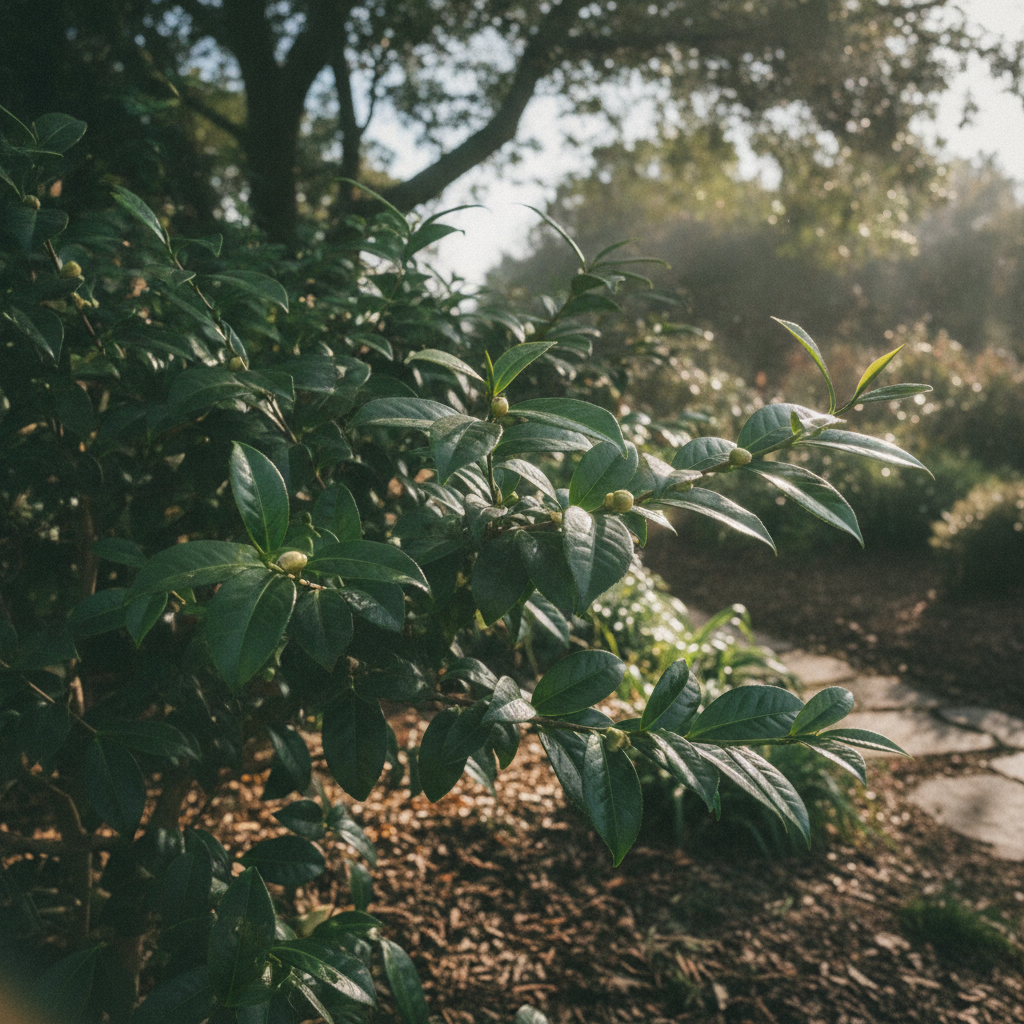

How To Grow Black Tea
Learn how to grow black tea at home: soil, climate, and the five processing steps from fresh leaf to a finished cup of black tea.

Spearmint For Tea
Spearmint for tea brews sweeter and milder than peppermint. Learn how to brew it, blend it, and what the hormone research actually shows.

Wisdom is the path to better tea.
Get our free brewing guide: the right water, heat and timing for every tea we sell. You will also hear it first when new harvests arrive.
No spam. Unsubscribe any time.
Check your inbox.
The guide is on its way.