













Valley of Tea Matcha: Our Source, Our Grade
Valley of Tea matcha is Japanese matcha, stone-ground on traditional granite mills and available in two grades — ceremonial and culinary. It is not a generic matcha sourced from whoever offers the lowest price. The tea comes from shade-grown tencha plants in Japan, processed using the same methods that have defined quality matcha production for centuries. If you have tried matcha before and found it bitter, gritty, or unpleasant, the problem was almost certainly the product, not the category.

This post is specifically about what Valley of Tea offers, how our matcha is made, how to use it, and what separates it from the bulk of matcha products flooding the European market. For a broader overview of matcha as a category, see our guides on What Is Matcha and Matcha Powder.
What Is Valley of Tea Matcha?

Valley of Tea matcha is a single-origin Japanese matcha produced from shade-grown tencha leaves. We source from established tea farms in Japan, where matcha production follows a defined process that has remained largely unchanged for generations. The key steps — shade-growing, steaming, destemming, and stone-grinding — each contribute to the final product in ways that shortcuts cannot replicate.
We carry two grades: ceremonial for drinking straight, and culinary for lattes, baking, and cooking. Both are genuine matcha made from tencha. Neither contains fillers, sweeteners, or blended powders from non-Japanese origins.
Where Valley of Tea Matcha Comes From
Our matcha comes from tea farms in Japan where the climate, soil, and accumulated expertise produce tencha with the right balance of sweetness, umami, and colour. The plants are shade-grown for three to four weeks before harvest, which is the defining step in matcha production. Blocking sunlight forces the tea plants to increase chlorophyll production — creating the vivid green colour — and slows the conversion of L-theanine into catechins, preserving the amino acid that gives quality matcha its characteristic umami and depth.
Shade-growing is labour-intensive and costly. It requires physical shade structures (traditionally reed screens, now often synthetic shade cloth) erected over the tea rows and maintained for the full shading period. This is one of the primary reasons genuine matcha costs more than regular green tea — the production demands are fundamentally different.
After harvest, the leaves are steamed within hours to halt oxidation, then dried in a process that preserves the delicate flavour compounds. The dried leaves at this stage are called tencha — the raw material from which matcha is ground. Only tencha can produce genuine matcha. Grinding regular sencha or bancha into powder produces a green powder, but not matcha — the flavour and colour are different because the plant chemistry is different.
How VoT Matcha Is Made
The final and most distinctive step is stone-grinding. Valley of Tea matcha is ground using traditional granite stone mills — large, heavy wheels that rotate slowly to crush the tencha into an extremely fine powder. The grinding speed is deliberately slow, typically producing only 30 to 40 grams of matcha per hour per mill. This matters because speed generates heat, and heat degrades the volatile compounds that give matcha its flavour and colour.
Industrial ball mills and jet mills can grind matcha far faster, but they generate significantly more heat and produce a coarser particle size. The result is a powder that looks similar but tastes different — less sweet, less umami, often with a sharper bitterness. Stone-ground matcha, when you rub it between your fingers, feels like cosmetic powder — silky, with no detectable grittiness. If your matcha feels sandy or rough, it was not stone-milled.
The slow milling also affects how the matcha suspends in water. Finer particles stay suspended longer, creating the smooth, creamy texture that a well-whisked bowl of matcha should have. Coarser powder settles quickly and produces a gritty mouthfeel.
Valley of Tea Matcha Grades

We offer two grades, each designed for a specific purpose. The grade distinction is not about one being better than the other — it is about matching the matcha to how you plan to use it.
Ceremonial Grade
Ceremonial grade is our highest quality matcha, made from the youngest, most tender leaves of the first spring harvest. These leaves have the highest concentration of L-theanine and the lowest tannin content, which translates to a naturally sweet, umami-rich flavour with minimal bitterness.
The colour is a vivid, saturated green — bright enough that it looks almost artificial to people unfamiliar with high-grade matcha. This colour comes from chlorophyll concentrated during the shade-growing period and preserved through careful processing.
Ceremonial grade matcha is intended for drinking as a standalone preparation — whisked with water and nothing else. In this format, there is nowhere for poor quality to hide. The sweetness, texture, and aftertaste are fully exposed, which is why ceremonial matcha commands a higher price. It must be good enough to drink without milk, sugar, or flavouring.
Culinary Grade
Culinary grade matcha uses leaves from slightly later in the harvest, which have developed more catechins and tannins. This gives the powder a stronger, more assertive flavour that holds up when mixed with other ingredients — milk, sugar, butter, cream, or cocoa.
This is not lower quality matcha in the pejorative sense. It is matcha designed for a different application. Using ceremonial grade in a latte or a cookie is wasteful because the delicate flavour notes that justify the price are masked by the other ingredients. Culinary grade delivers the matcha flavour and colour in a format that works in mixed preparations.
The colour of culinary grade is green but slightly less vivid than ceremonial — more of a natural forest green than the electric jade of top-grade ceremonial matcha. The flavour is more robust, slightly more bitter, and noticeably less sweet. These are features for its intended use, not defects.
How to Prepare Valley of Tea Matcha

Matcha preparation is straightforward once you understand the key variables: water temperature, matcha amount, and whisking technique. Getting these right produces a dramatically better cup than the approximations most people settle for.
Traditional Preparation
Sift 1.5 to 2 grams of ceremonial matcha through a fine mesh strainer into a bowl. Sifting breaks up any clumps that formed during storage and ensures a smooth suspension. Skip this step and you will have lumps floating in your bowl — they do not dissolve, and they taste unpleasant.
Heat water to 70 to 80 degrees Celsius. This is critical. Boiling water at 100 degrees scorches the matcha, destroying the sweet, umami compounds and amplifying bitterness. If you do not have a temperature-controlled kettle, let boiled water cool for three to four minutes before pouring.
Add 60 to 80 millilitres of water to the sifted matcha. Whisk vigorously with a bamboo chasen in a W or M motion for 15 to 20 seconds. The goal is a fine, uniform layer of microfoam across the surface — dense and creamy, not large bubbles. The foam should be thick enough that you cannot see the liquid beneath it.
The resulting bowl of matcha should taste sweet and vegetal, with a creamy texture and a long, clean finish. If it tastes bitter or harsh, the water was too hot or the matcha has oxidised from poor storage.
Matcha Latte Method
For a latte, you want a concentrated matcha base that can hold its own against the volume and richness of milk. Sift 2 grams of matcha (culinary or ceremonial — culinary is more practical here) into a cup. Add 30 to 40 millilitres of hot water at 75 degrees and whisk until smooth. This creates a paste, not a drink.
Steam or heat 150 to 200 millilitres of milk — full-fat dairy or oat milk both work well. Oat milk is the most reliable plant-based option because its natural sweetness and body complement matcha without competing. Almond milk is too thin and can separate. Soy milk works but has a bean-like flavour that not everyone enjoys alongside matcha.
Pour the steamed milk over the matcha paste and stir to combine. Sweeten if desired — a small amount of honey or simple syrup is enough. The matcha flavour should be clearly present, not buried under sweetener.
Quick Methods Without a Whisk
If you do not have a bamboo chasen, a handheld electric milk frother produces acceptable results. Sift the matcha, add the water, and froth for 10 to 15 seconds. The foam will be slightly different in texture — less fine than a chasen produces — but the flavour is the same.
A small shaker bottle also works for cold preparations. Add matcha and cold water, shake vigorously for 15 seconds. The shaking breaks up clumps effectively and produces a light foam. This method is particularly useful for iced matcha drinks.
A blender is overkill for a single serving but works if you are making matcha smoothies or larger batches.
Matcha Recipes with Valley of Tea Matcha

Culinary grade matcha is designed for these applications. The recipes below use measurements that produce clearly matcha-flavoured results — not just a faint green tint.
Iced Matcha Latte
The single most popular matcha drink outside of Japan. Sift 2 grams of culinary matcha into a glass or shaker. Add 30 millilitres of hot water (75 degrees) and whisk or shake until smooth. Fill a tall glass with ice. Pour 200 millilitres of cold milk over the ice. Add the matcha concentrate on top. Stir before drinking, or leave layered for visual effect.
The ice will dilute the drink as it melts, so the matcha concentrate needs to be stronger than you would make for a hot latte. If the matcha flavour disappears after five minutes, you used too little powder.
Matcha Smoothie
Blend 1 teaspoon of culinary matcha with one banana, a handful of spinach, 200 millilitres of almond or oat milk, and a teaspoon of honey. The banana provides sweetness and body that masks any bitterness from the matcha. The spinach is undetectable flavour-wise but adds colour.
If you add protein powder, use a scoop of an unflavoured one. Avoid chocolate-flavoured protein — it competes with the matcha rather than complementing it.
Matcha Baking: Cookies and Cake
In baking, matcha functions as both a flavouring and a colouring agent. Sift the matcha into the dry ingredients — never add it to wet ingredients first, as it clumps immediately on contact with liquid fats.
For matcha cookies: add 2 tablespoons of culinary matcha to your standard butter cookie recipe. Reduce the flour by 2 tablespoons to compensate. The matcha pairs exceptionally well with white chocolate chips — the sweetness of white chocolate balances the slight bitterness of the matcha.
For matcha pound cake: add 1.5 tablespoons of culinary matcha per standard cake recipe. The colour of the baked cake will be a muted sage green, not the bright green of raw matcha — heat changes the colour. The flavour remains, though it mellows during baking.
Matcha Overnight Oats
Mix 1 teaspoon of culinary matcha into your overnight oats along with the milk, chia seeds, and sweetener before refrigerating. By morning, the matcha has dissolved into the oats, producing a light green colour and a subtle tea flavour. Top with sliced banana, granola, or a drizzle of honey.
This is one of the easiest ways to add matcha to a morning routine without any preparation time in the morning itself.
What Sets Valley of Tea Matcha Apart

The matcha market has expanded rapidly over the past decade, and the quality range is enormous. Understanding what separates quality matcha from the rest helps explain why we source and price our product the way we do.
Stone-Ground vs Industrially Milled
Traditional stone grinding uses granite mills rotating at low speed. The process takes hours per batch and produces a powder with a particle size below 10 microns — fine enough to feel like silk between your fingers and to stay suspended in water without settling quickly.
Industrial ball mills and jet mills process matcha in minutes rather than hours. They are cheaper to operate and produce higher volumes. The trade-off is heat generation during milling, which degrades chlorophyll (reducing colour intensity), volatilises aromatic compounds (reducing aroma), and alters the flavour profile. The particle size is typically coarser, resulting in a grittier texture and faster settling.
The difference between stone-ground and industrially milled matcha is not subtle. Side by side, the stone-ground version is greener, smoother, sweeter, and more aromatic. This is not marketing — it is a direct consequence of the milling physics.
How to Spot Low-Quality Matcha
Several warning signs indicate matcha that will not deliver a good cup, regardless of what the label says:
Colour: Genuine ceremonial matcha is vivid, bright green. Yellow-green, olive, or brownish powder indicates old matcha, poor-quality tencha, or powder that was not made from shade-grown leaves. Non-shade-grown leaves produce a powder that is technically ground green tea, not matcha.
Texture: Rub a small amount between your thumb and forefinger. Quality matcha feels like fine cosmetic powder — no grittiness, no detectable particles. Gritty matcha was either coarsely milled or made from inappropriate leaf material.
Price: Genuine Japanese ceremonial matcha cannot be produced cheaply. The shade-growing, hand-harvesting, destemming, and slow stone-milling all add cost. If a product marketed as ceremonial grade costs less than 20 euros per 30 grams, the grade designation is almost certainly inaccurate. Culinary grade is less expensive but should still reflect Japanese origin and proper processing.
Origin: Some products labelled as matcha are produced in China using different plant varieties, different shade durations, and different milling methods. These products are not inherently bad, but they are not the same product as Japanese matcha. If the label does not specify Japanese origin, ask the seller.
Storing Valley of Tea Matcha
Matcha is the most perishable form of tea. Its fine particle size means a huge surface area is exposed to air, which accelerates oxidation. Poor storage can degrade a quality matcha into a flat, yellow-green powder within weeks.
Maximizing Freshness After Opening
Once opened, store matcha in an airtight container in the refrigerator. Push as much air out of the container as possible before sealing. The cold temperature slows oxidation and preserves the volatile compounds that carry flavour and aroma.
Before opening a refrigerated container, let it come to room temperature first. If you open a cold container, warm, humid air rushes in and condenses on the cold powder, introducing moisture that causes clumping and accelerates degradation.
Use opened matcha within four to six weeks for best quality. After that, the flavour begins to flatten noticeably — the sweetness fades, the colour dulls, and the aroma weakens. The matcha is still safe to consume after this window, but the sensory quality has diminished. If your matcha is past its prime, use it for baking rather than drinking — the other ingredients compensate for the reduced flavour.
For unopened matcha, freezing extends shelf life significantly. Many Japanese producers freeze their matcha immediately after milling and keep it frozen until sale. If you buy in larger quantities, freeze the sealed tins and defrost only when ready to open.
Valley of Tea Matcha FAQ
Which Grade Should I Buy?
Choose ceremonial grade if you plan to drink matcha whisked with water — the traditional preparation where the matcha is the only ingredient and its quality is fully exposed. Choose culinary grade if you primarily make lattes, smoothies, baked goods, or any preparation where matcha is one ingredient among several. Culinary grade delivers the matcha flavour you want without the premium you do not need.
If you are unsure, culinary grade is the more versatile starting point. You can drink it straight (the flavour is stronger and slightly more bitter than ceremonial, but perfectly acceptable), and you can use it in every other application.
Can I Use Ceremonial Grade for Lattes?
You can, but it is not the best use of a premium product. Ceremonial grade matcha is priced higher because of the extra care in leaf selection and processing that produces its delicate sweetness and umami. When you add milk and sweetener, those subtle qualities are masked. Culinary grade is specifically designed to carry matcha flavour through milk and other ingredients — its bolder, more assertive profile actually performs better in a latte than ceremonial grade does.
Think of it like cooking wine: a good culinary wine adds more flavour to a sauce than a delicate fine wine, which loses its nuance when heated and combined with other ingredients.
Valley of Tea matcha is stone-ground, Japanese, and fresh. The ceremonial grade is for drinking. The culinary grade is for everything else. Both are genuine matcha made from shade-grown tencha, processed the way matcha has been made for centuries. Browse the ceremonial matcha or culinary matcha to see the current selection, or read our guides on What Is Matcha and Matcha Powder for more depth on the category.
Related Articles
Leave a comment
Comments will be approved before showing up.
Also in Valley of Tea Blog | Tea Guides, Origins & Brewing Tips
The Complete Guide to Drinking Tea
What tea is, how the main types differ in the cup, and how to brew each one properly. Water temperature, steeping times, storage and how to get more than one cup from your leaves.
Read More

Black Tea: Types, Processing, and How to Brew It
Black tea is fully oxidized Camellia sinensis. Compare Assam, Darjeeling, Keemun, and Ceylon varieties. Learn processing, brewing, and caffeine levels.
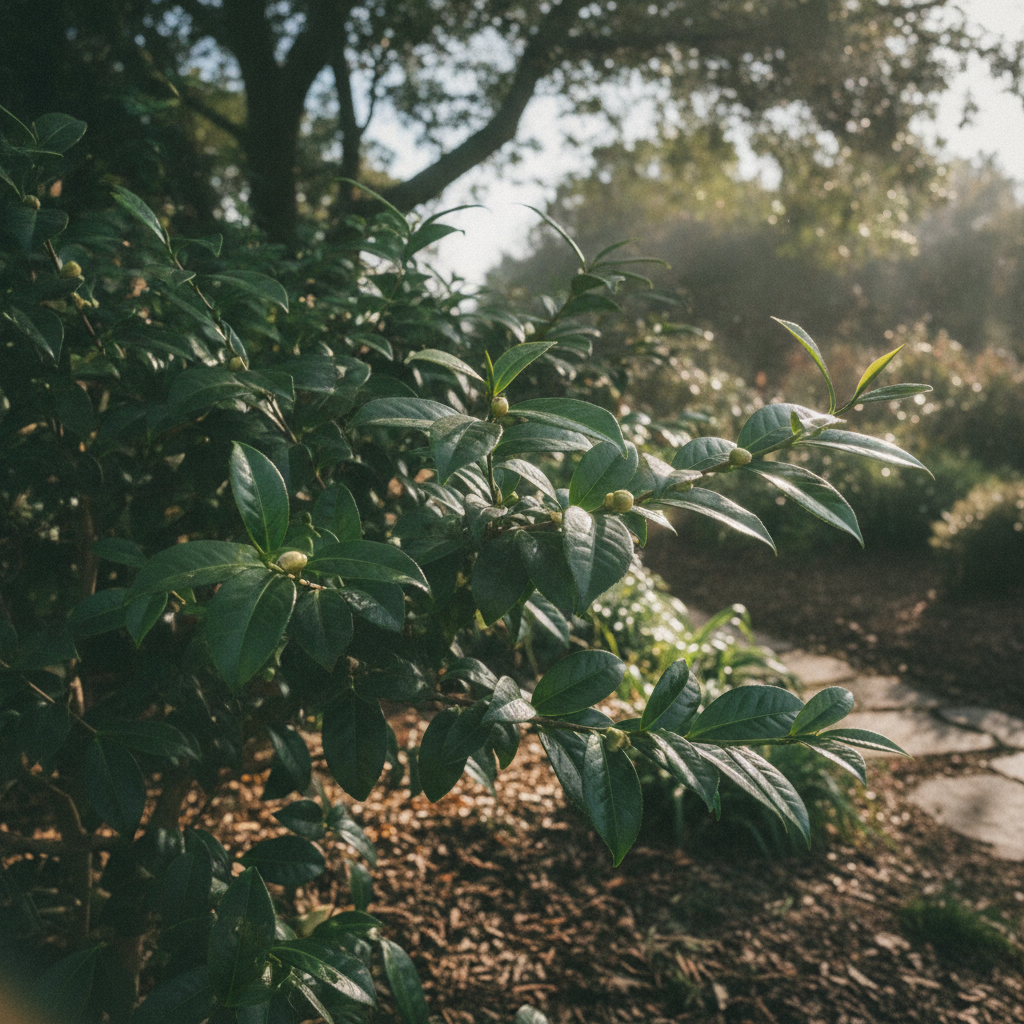

How To Grow Black Tea
Learn how to grow black tea at home: soil, climate, and the five processing steps from fresh leaf to a finished cup of black tea.

Wisdom is the path to better tea.
Get our free brewing guide: the right water, heat and timing for every tea we sell. You will also hear it first when new harvests arrive.
No spam. Unsubscribe any time.
Check your inbox.
The guide is on its way.