













How to Store Tea
How to Store Your Tea
It happens to us all. We decide to brew a tea which we’ve not enjoyed for a while, we take out the leaves, or the bag, we add the water and we steep the brew.
But the final cup is missing something. It tastes dull. It tastes stale. It doesn’t have that fresh aroma.
It’s still a good tea, but it isn’t the perfect cup.
Artisan farmers put an incredible amount of work into growing loose leaf tea. If you want to respect and enjoy their efforts, you need to play your part by storing your tea correctly.
Following these rules will ensure you get to enjoy the best cup that can be, every time.


General Storage Tips
These following rules apply to all teas.
Avoid Heat
Heat speeds up the natural processes which destroy a tea’s delicate flavour. By storing your tea in a cool environment such as a basement, pantry or refrigerator, you slow these processes and keep your tea tasting fresher for longer.
Avoid Light

Nobody knows why bright light damages picked and processed tea, but it is believed that strong light such as sunlight encourages chemical reactions that you just don’t want. Storing your tea in a sealed package, away from any light sources will prevent these reactions from occurring.

Avoid Moisture
Tea must be kept dry until you begin to steep it. A damp environment will leech out delicate oils and flavoursome elements in the same way that a water-filled teapot will. But this time, you won’t be able to drink and enjoy the resulting brew! Keep your tea in a sealed package, and always keep it dry.
Avoid Strong Smells
Tea leaves will absorb the smells of anything kept too close to it. Storing your tea alongside herbs or spices will taint the flavour – and nobody likes a whiff of garlic or onion when they sit down with a brew! Storing your tea in a clean place away from foodstuffs will prevent this contamination.

Specific Teas
Some teas require careful storage.

Green and Green Oolong Tea
Green leaves are incredibly delicate, as they are not as oxidized as other teas. This lack of oxidization leads to a faster loss of flavour and aroma if they are not properly stored, meaning it is vital that you keep them in an airtight container in a cool place. The ideal place for a green tea is in a sealed plastic container in a fridge, but even then we recommend finishing your green tea as quickly as possible to enjoy the freshest flavours.
White Teas
White tea storage depends on your personal preferences. Lovers of a pronounced vegetal taste should store white tea exactly as you would a green tea – in airtight containers in a fridge. But if you prefer a softer, rounded, sweeter cup you can rest the tea in a cool dark place for up to two years. The choice is yours!
Heavy Oolong and Black Tea
These darker leaves are thoroughly oxidized, which gives them their distinct flavours. Fortunately, these flavours last far longer than those in green teas, meaning that you do not need to be quite as careful. Storing black tea in a closed carton in a cool, dark pantry is quite enough – even for ripened teas which have been slowly distilled in the same manner as a fine red wine.
Pu-erh Tea
The slow aging process which gives Pu-erh tea its distinct mellow flavour means that there is very little a domestic environment can do to harm it. As long as the tea is kept dry and away from humidity, it can happily sit exposed to the open air for years to come.
Now you know how to store your tea, there’s nothing stopping you from enjoying the perfect cup any time you feel like it!
You might also enjoy
- Which water for tea? Learn how water quality and temperature directly impact tea flavor and brewing success.
- Which teapot do i need? Discover the right teapot choice to preserve tea freshness and enhance your brewing experience.
- Japanese Tea - Tea History in Japan Explore how Japanese tea traditions emphasize proper handling and storage for optimal quality.
Store these properly


Leave a comment
Comments will be approved before showing up.
Also in Valley of Tea Blog | Tea Guides, Origins & Brewing Tips
The Complete Guide to Drinking Tea
What tea is, how the main types differ in the cup, and how to brew each one properly. Water temperature, steeping times, storage and how to get more than one cup from your leaves.
Read More

Black Tea: Types, Processing, and How to Brew It
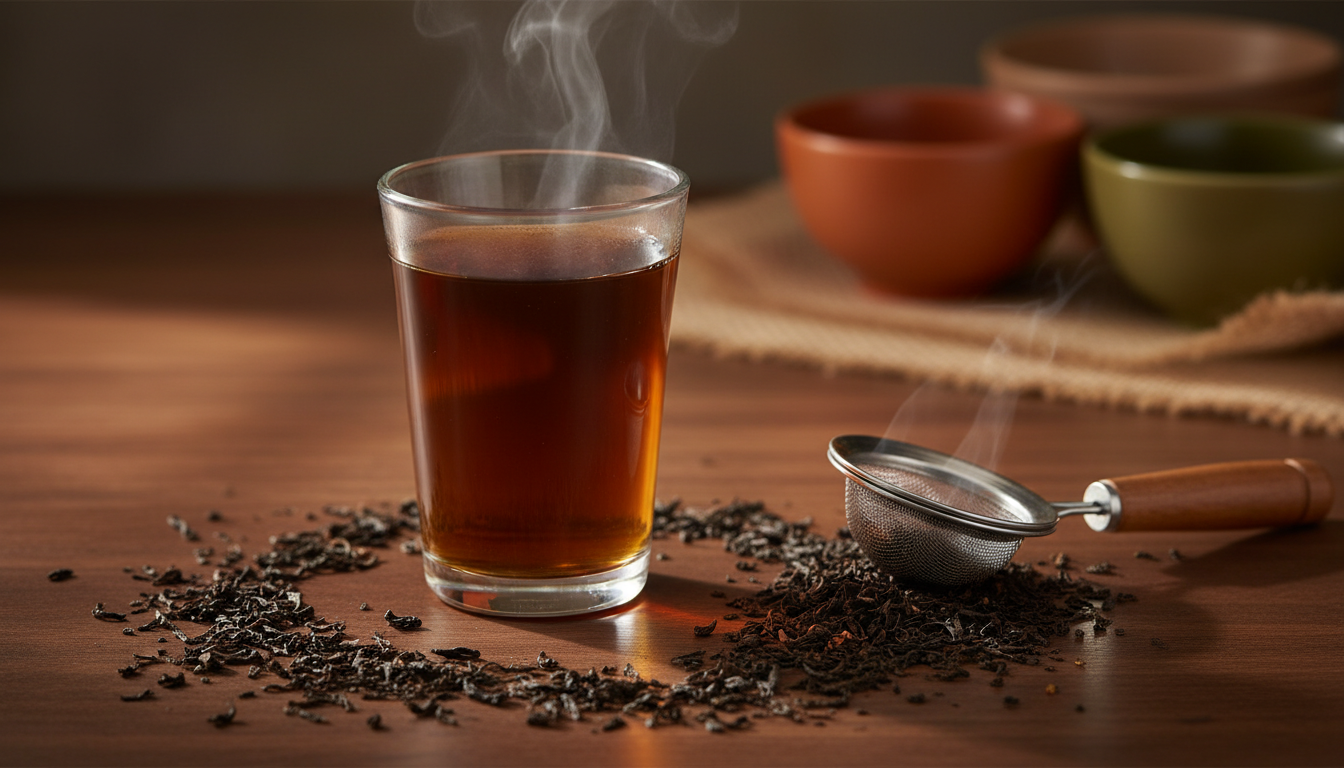
Black tea is fully oxidized Camellia sinensis. Compare Assam, Darjeeling, Keemun, and Ceylon varieties. Learn processing, brewing, and caffeine levels.
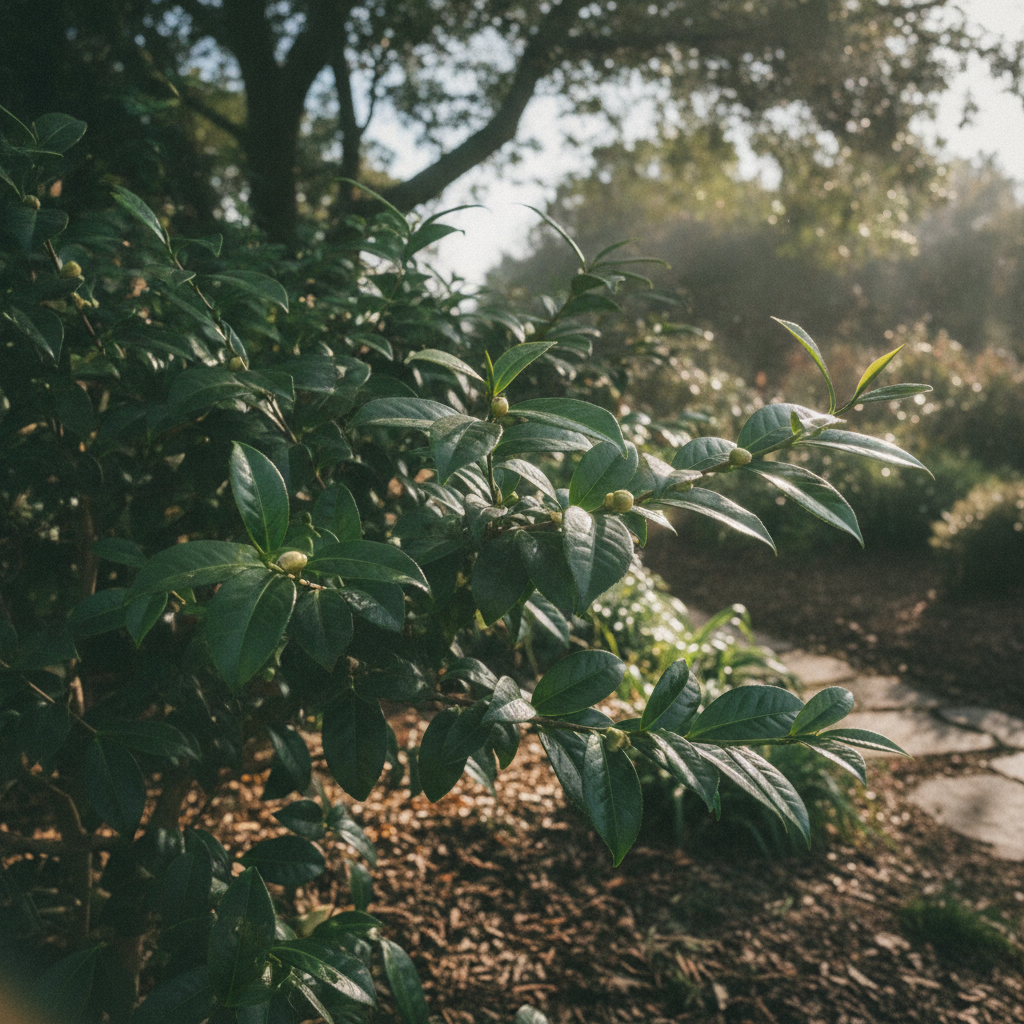

How To Grow Black Tea
Learn how to grow black tea at home: soil, climate, and the five processing steps from fresh leaf to a finished cup of black tea.

Wisdom is the path to better tea.
Get our free brewing guide: the right water, heat and timing for every tea we sell. You will also hear it first when new harvests arrive.
No spam. Unsubscribe any time.
Check your inbox.
The guide is on its way.