













Pu-erh Tea: The Aged, Fermented Tea from Yunnan
Pu-erh is a fermented tea produced exclusively in Yunnan province, China. Unlike other teas that are meant to be consumed fresh, pu-erh is designed to change over time. A well-stored pu-erh can improve for decades, developing deeper, smoother, and more complex flavors as it ages.
It is the only tea type that undergoes true microbial fermentation, which sets it apart from every other category in the tea world.
How Pu-erh Is Made
Pu-erh starts as sun-dried green tea called maocha. The fresh leaves are withered, pan-fired briefly to halt enzymatic oxidation, rolled, and then dried in the sun rather than in an oven. This sun-drying step is critical — it leaves naturally occurring microbes alive on the leaf surface, ready to drive fermentation later.
From this point, pu-erh takes one of two paths.
Sheng (raw) pu-erh: The maocha is pressed into cakes, bricks, or other shapes and left to age naturally. Fermentation happens slowly over years and decades through the action of naturally occurring microbes. Young sheng is bright, astringent, and sometimes bitter. Aged sheng (10+ years) becomes smooth, sweet, and layered with dried fruit, leather, and camphor notes.
Shou (ripe) pu-erh: The maocha undergoes an accelerated fermentation process called wo dui, where the leaves are piled, moistened, and turned for 45-60 days. Controlled heat and humidity speed up the same microbial processes that would take decades naturally. The result is a dark, smooth, earthy tea that is ready to drink immediately.
Sheng vs Shou: Which to Try First
Shou pu-erh is the easier starting point. It is smooth, low in astringency, and has a rich, earthy flavor with notes of dark chocolate, mushroom, and damp forest floor. There is nothing else in the tea world that tastes quite like it.
Sheng pu-erh is more demanding. Young sheng can be intensely bitter and astringent — it is meant to age. If you try sheng, start with one that has at least 5-7 years of age, where the rough edges have softened and complexity has begun to develop.
How to Brew Pu-erh
Pu-erh wants hot water — 95-100°C, full boil. The leaves are dense and compressed, and they need heat to open up.
Rinse first: Pour boiling water over the leaves, wait 5 seconds, and discard. This washes the surface and wakes the leaves up. Pu-erh is one of the few teas where rinsing makes a real difference.
Western style: Use 3-5 grams per 200ml. Steep for 3-5 minutes. The liquor should be dark amber (sheng) or deep reddish-brown (shou).
Gongfu style: Use 5-8 grams in a small gaiwan or clay teapot (100-150ml). Steep for 10-20 seconds, adding time with each round. A good pu-erh will give 8-15 infusions this way, each one different.
Pu-erh is robust and hard to over-brew. If you steep too long, it gets stronger but rarely turns unpleasantly bitter the way green tea does.
Storage and Aging
If you plan to age pu-erh, store it in a clean, dry place with some air circulation — not sealed airtight. Moderate humidity (60-75%) helps fermentation continue. Avoid strong odors, as pu-erh absorbs smells from its environment.
Shou pu-erh does not need aging — it is ready to drink. Sheng pu-erh is where aging pays off, transforming a rough, astringent tea into something rich and refined over 10-30 years.
Why Pu-erh Is Different
Pu-erh occupies a unique niche. It is the only tea that genuinely improves with age, the only one that undergoes microbial fermentation, and the only one with a terroir-driven appellation system (only tea from Yunnan's large-leaf cultivars can legally be called pu-erh in China).
For tea drinkers who already enjoy Chinese tea, pu-erh opens a completely different dimension of flavor and appreciation. Start with a shou for accessibility, then explore aged sheng when you are ready for something more complex.
Leave a comment
Comments will be approved before showing up.
Also in Valley of Tea Blog | Tea Guides, Origins & Brewing Tips
The Complete Guide to Drinking Tea
What tea is, how the main types differ in the cup, and how to brew each one properly. Water temperature, steeping times, storage and how to get more than one cup from your leaves.
Read More
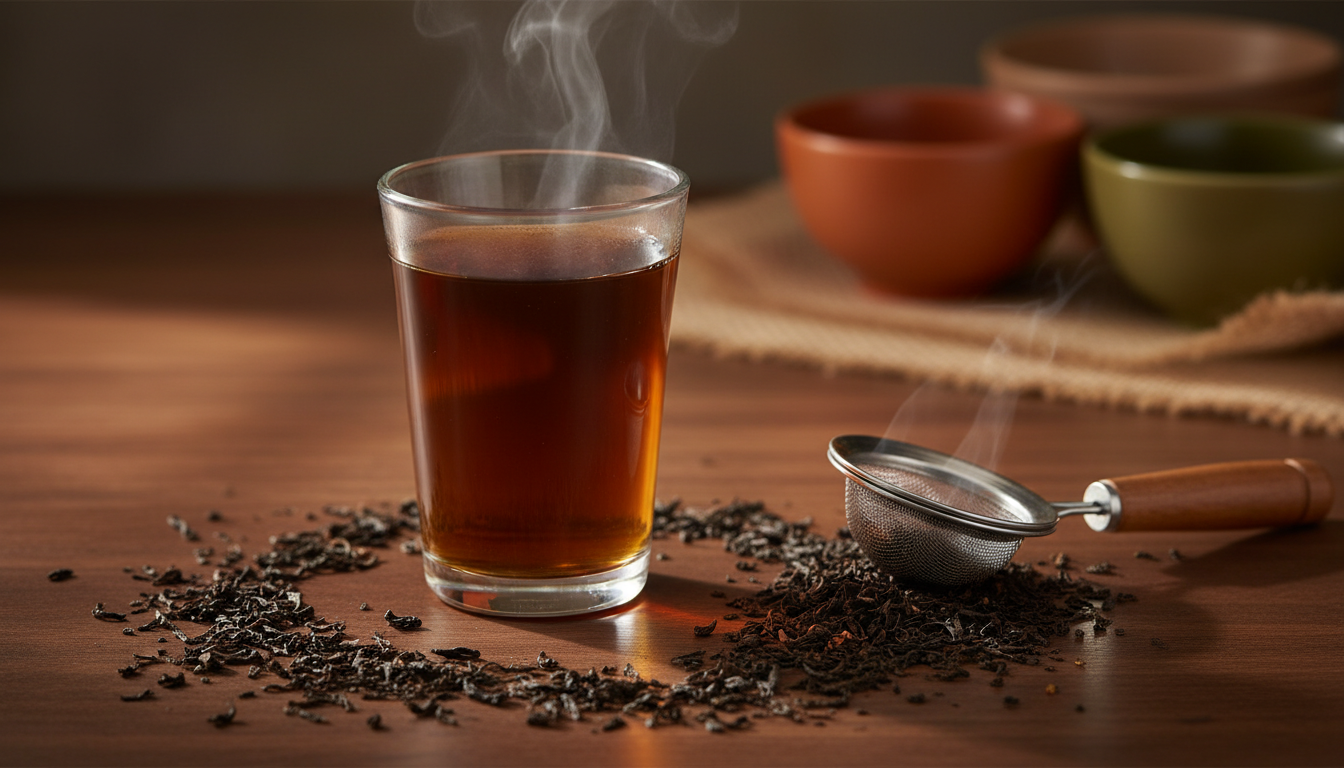

Black Tea: Types, Processing, and How to Brew It
Black tea is fully oxidized Camellia sinensis. Compare Assam, Darjeeling, Keemun, and Ceylon varieties. Learn processing, brewing, and caffeine levels.
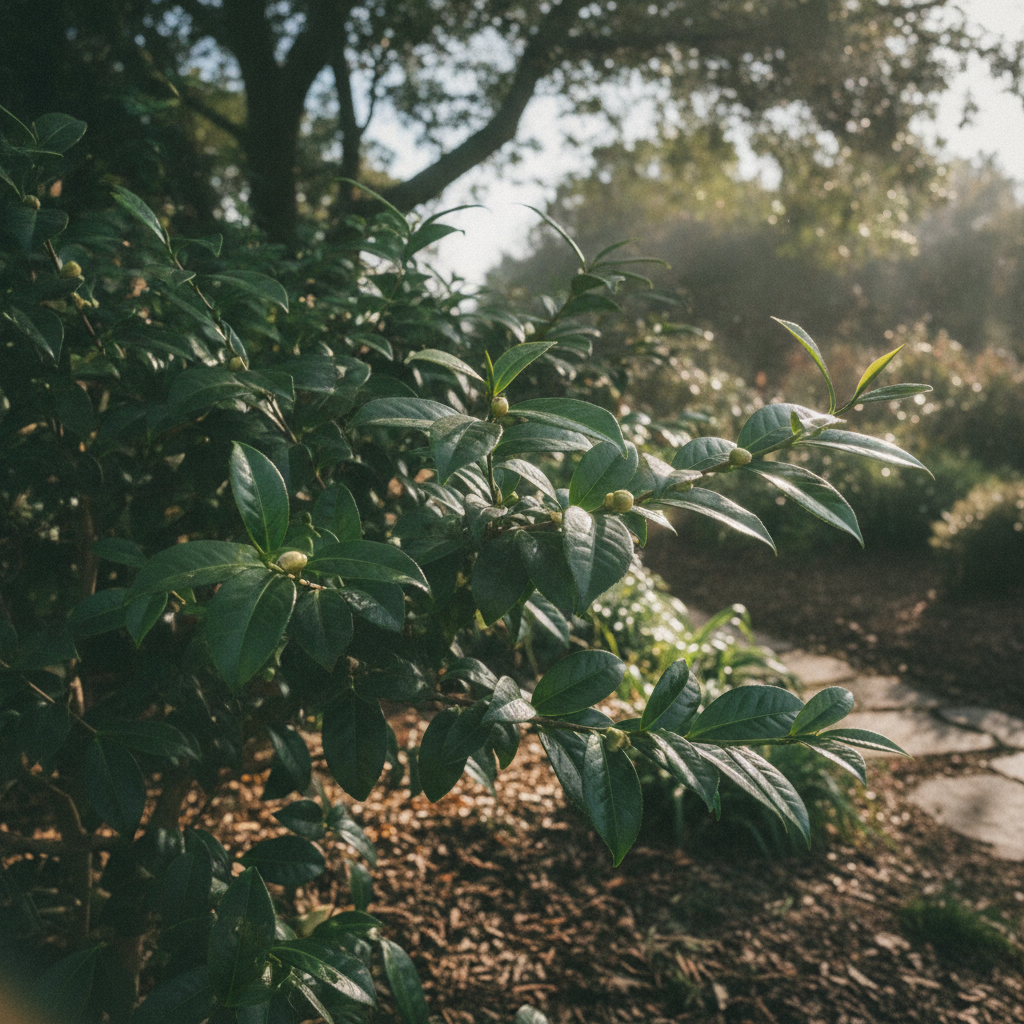

How To Grow Black Tea
Learn how to grow black tea at home: soil, climate, and the five processing steps from fresh leaf to a finished cup of black tea.

Wisdom is the path to better tea.
Get our free brewing guide: the right water, heat and timing for every tea we sell. You will also hear it first when new harvests arrive.
No spam. Unsubscribe any time.
Check your inbox.
The guide is on its way.