












What Is Valley of Tea Ceylon Tea?
Ceylon tea comes from Sri Lanka — an island roughly the size of Ireland that produces some of the most distinctive black teas in the world. The name "Ceylon" is the country's former colonial designation, and the tea industry has kept it because it carries recognition and legal protection. The Sri Lanka Tea Board's lion logo on a package means the tea was grown, processed, and packed in Sri Lanka under government oversight.
Valley of Tea sources Ceylon teas from multiple Sri Lankan estates across different elevations and regions. My focus is on central high-elevation lots — that is where I find the aromatic complexity that makes Ceylon worth recommending over other origins.

Ceylon is not one flavor — it is a spectrum. A high-grown tea from Nuwara Eliya at 1,800 meters tastes nothing like a low-grown Ruhuna from 300 meters. Understanding Ceylon tea means understanding how geography shapes the cup.
What Is Ceylon Tea
Ceylon tea is tea grown and processed in Sri Lanka. The vast majority is black tea, though the island also produces smaller quantities of green, white, and oolong. Sri Lanka is the world's fourth-largest tea producer and the third-largest exporter, shipping roughly 280,000 tonnes annually to markets across the Middle East, Russia, Europe, and beyond.
The industry dates to the 1860s, when James Taylor established the first commercial tea plantation at Loolecondera estate in the Kandy district. Before that, Sri Lanka was a coffee-producing colony. A devastating coffee rust epidemic (Hemileia vastatrix) wiped out the plantations, and tea replaced coffee as the primary cash crop. By 1890, Ceylon tea was an established category in global trade.
What makes Ceylon tea distinct from, say, Assam or Kenyan tea is the island's unusual geography. Sri Lanka has a central mountain massif rising above 2,500 meters, surrounded by a coastal plain. Tea grows from sea level up to roughly 2,200 meters, and the elevation at which a tea is grown fundamentally alters its character. The Sri Lanka Tea Board classifies all Ceylon teas into three elevation bands: high-grown (above 1,200m), mid-grown (600–1,200m), and low-grown (below 600m). Each band produces a recognizably different tea.
The island's two monsoon seasons — the southwest (Yala, May–September) and the northeast (Maha, October–March) — also shape flavor. Some regions produce their best teas during specific monsoon periods, when dry winds create stress that concentrates flavor compounds in the leaf.

Ceylon Tea Regions and Elevations
Sri Lanka has seven principal tea-growing districts, each with its own soil composition, rainfall pattern, and altitude range. Four regions account for most of the island's distinctive character.
Nuwara Eliya (high-grown, 1,800–2,200m). The highest elevation tea district in Sri Lanka, Nuwara Eliya sits in the central highlands where daytime temperatures average 15–20°C and nighttime temperatures can drop to 5°C. Growth is slow — the tea bushes produce less leaf at this altitude, but what they produce is concentrated and aromatic. Nuwara Eliya teas are light-bodied with a bright, golden liquor. The flavor is delicate, floral, and sometimes described as "Ceylon's Darjeeling" for its fragrant, brisk quality. The best lots come from the dry season (January–March) when lack of rain stresses the bushes and intensifies the leaf chemistry.
Dimbula (mid-to-high-grown, 1,100–1,700m). West of the central mountains, Dimbula produces some of the most classically "Ceylon" teas — medium-bodied, clean, and brisk with a pleasant citrus edge. The quality season runs January through March, when dry westerly winds sweep through the valleys. Dimbula tea has enough body to take milk but enough brightness to drink straight. It is a versatile tea and a good starting point for anyone exploring Ceylon.
Uva (mid-to-high-grown, 900–1,500m). On the eastern slopes of the central mountains, Uva gets its quality season from the northeast monsoon's dry winds in July and August. Uva teas have a distinctive aromatic intensity — sometimes floral, sometimes with a mentholated or eucalyptus-like note that is unique to this region. The dry Cachan wind that blows through the Uva valley during quality season is credited with this character. Uva teas have a medium body, a bright copper-red liquor, and a dry, clean finish.
Ruhuna (low-grown, 0–600m). Southern Sri Lanka's lowland district produces a completely different style of tea. Ruhuna is hot and humid, with rainfall throughout the year. The tea bushes grow fast, producing large, thick leaves. The resulting teas are full-bodied, malty, and smooth with a dark amber-to-brown liquor. There is minimal briskness compared to the highland teas — Ruhuna is about weight and sweetness, not brightness. These teas blend well and are often used as a base in breakfast blends.

Other districts — Kandy, Sabaragamuwa, and the southern extension of Ratnapura — fill the mid-to-low elevation ranges and contribute significant volume to the island's output, though they are less commonly sold as single-origin lots.
What Ceylon Tea Tastes Like
Elevation is the primary flavor driver. The general rule: the higher the altitude, the lighter and more aromatic the tea; the lower the altitude, the heavier and more malty.
High-grown (above 1,200m): Light to medium body. Bright, golden-amber liquor. Floral and citrus aromatics. Clean, brisk finish with a pleasant astringency. Moderate sweetness. These teas reward careful brewing and are best enjoyed without milk. They share some character with first-flush Darjeelings, though with more structure and less muscatel.
Mid-grown (600–1,200m): Medium body. Copper-red liquor. Balanced between the floral brightness of high-grown and the malt of low-grown. These are the "all-rounder" Ceylon teas — good straight, acceptable with milk, solid in blends. Flavor notes range from stone fruit to light honey to gentle spice, depending on the estate and season.
Low-grown (below 600m): Full body. Dark amber to brown liquor. Malty, smooth, sometimes caramel-sweet with minimal astringency. These teas are robust and forgiving — hard to over-brew, easy to pair with milk and sugar. Low-grown Ceylon provides the backbone of many commercial blends labeled "Ceylon tea" without further origin detail.

One thing all Ceylon teas share is a certain crispness or "brightness" — a clean astringency that distinguishes them from the rounder, heavier character of Assam or the softer profile of Chinese Keemun. Even low-grown Ruhuna, the fullest-bodied Ceylon style, finishes cleaner than a comparable Assam.
How to Brew Ceylon Tea
Ceylon black tea is straightforward to brew. The parameters vary slightly by elevation grade.
High-grown Ceylon (Nuwara Eliya, high Dimbula):
- Water temperature: 90–95°C. Back off from full boil — these teas are delicate enough that boiling water can flatten the aromatics.
- Leaf amount: 2.5g per 200ml.
- Steep time: 3–4 minutes. Taste at 3 minutes and extend if you want more body.
- Re-steeps: 1–2 additional infusions are possible, though the second steep will be noticeably lighter.
Mid-grown Ceylon (Dimbula, Uva, Kandy):
- Water temperature: 95°C.
- Leaf amount: 2.5–3g per 200ml.
- Steep time: 3–5 minutes.
- Re-steeps: 1, sometimes 2.
Low-grown Ceylon (Ruhuna, Sabaragamuwa):

- Water temperature: 95–100°C. These teas handle boiling water well.
- Leaf amount: 3g per 200ml.
- Steep time: 4–5 minutes. Low-grown Ceylon is forgiving — an extra minute will not ruin the cup.
- Re-steeps: 1 at most.
Use freshly drawn water. Pre-warm the vessel if you want to maintain temperature through the steep. Remove the leaves when time is up — leaving them in produces bitterness regardless of the tea's origin.
For iced Ceylon tea, brew at double strength (5–6g per 200ml) for 4 minutes, then pour over ice. Mid-grown Ceylon works best here — it has enough body to survive dilution but enough brightness to stay refreshing.
Ceylon Tea Grades
Sri Lankan tea grades describe the leaf size and appearance, not the quality. This confuses many buyers, but a higher-sounding grade does not necessarily mean a better tea. Grades are standardized by the Tea Exporters Association Sri Lanka.
Orange Pekoe (OP): Long, wiry whole leaves without tips. The baseline "whole leaf" grade. Produces a lighter-bodied, more nuanced cup.
Broken Orange Pekoe (BOP): Smaller, broken leaf pieces. Extracts faster and produces a stronger, darker cup than OP. The most common commercial grade.

Flowery Broken Orange Pekoe (FBOP): Broken leaf with some golden tips (buds) mixed in. Slightly more aromatic than standard BOP.
Pekoe (P): Short, tightly rolled leaves. Slower extraction than BOP, but fuller than OP.
BOP1: A larger broken grade, between OP and BOP in size. Offers a balance of strength and subtlety.
Fannings (F) and Dust (D): The smallest particles from the grading process. Used primarily in tea bags. They extract rapidly and produce a strong, one-dimensional cup with little opportunity for re-steeping.
SFTGFOP, FTGFOP: The long acronym grades (Super Fine Tippy Golden Flowery Orange Pekoe, etc.) do appear in Ceylon, but less commonly than in Darjeeling. When you see them, they indicate whole-leaf grades with a high proportion of golden tips.

The practical takeaway: if you want a nuanced cup for sipping straight, look for OP or FBOP grades. If you want a strong daily-driver tea that holds up to milk, BOP or BOP1 will serve you better.
Ceylon and Other Origins Compared
Ceylon vs. Assam. Assam is thick, malty, and full-bodied — a heavy tea built for milk. Ceylon has slightly less body but a sweet, elegant, fruity aroma that Assam cannot match. I think of Ceylon as the lighter, more aromatic alternative: when a customer wants a black tea but finds Assam too heavy or one-dimensional, a high-grown Ceylon is what I reach for. Both are orthodox-processed black teas, but the terroir is completely different — Assam's lowland river valley versus Sri Lanka's central mountain slopes. Valley of Tea's Artisan Assam is a good reference point if you want to taste that contrast directly.
Ceylon vs. Darjeeling. High-grown Ceylon and first-flush Darjeeling share some aromatic character — floral, light, brisk. But Darjeeling pushes further into muscatel and green-tea territory, while Ceylon retains more conventional black tea structure. Ceylon is more accessible; Darjeeling is more eccentric.
Ceylon vs. Kenyan. Kenya produces primarily CTC (crush-tear-curl) tea for strength and speed in the cup. Ceylon's orthodox processing preserves more nuance. Kenyan teas are built for blending and for markets that value strength above complexity. Ceylon spans a wider quality and flavor range.
Ceylon vs. Chinese black tea (Keemun, Dian Hong). Chinese black teas tend toward smooth, roasted, sometimes chocolate-like profiles with low astringency. Ceylon is brighter and more astringent by nature. They occupy different ends of the black tea spectrum — Chinese blacks are mellow, Ceylon blacks are lively. Valley of Tea's Keemun Black Tea is a good illustration of that softer profile, while Lapsang Souchong takes Chinese black tea in an entirely different smoky direction.

Buying Quality Ceylon Tea
Single-origin Ceylon tea should identify its region at minimum. A package labeled simply "Ceylon tea" without a district, estate, or elevation tells you very little — it is likely a blend of whatever was available at auction that week. This is not necessarily bad tea, but it is anonymous tea.
Look for these indicators:
Region or estate name. "Nuwara Eliya," "Dimbula," "Uva Estate" — any geographic specificity is a good sign. It means someone chose that tea for its origin character, not just its price.
Elevation class. High-grown, mid-grown, or low-grown. If the seller does not mention elevation, ask. It is the single most important variable in Ceylon tea character.
Grade. OP, BOP, FBOP, etc. This tells you what to expect in terms of leaf size and brewing behavior.

Season or lot. The best Ceylon teas are seasonal. A Dimbula from the January–March quality season or a Uva from the July–August window will outperform an off-season production from the same estate. Not all sellers specify this, but those who do are usually paying attention to quality.
The Lion logo. The Sri Lanka Tea Board's logo certifies that the tea was grown and packed in Sri Lanka. It is not a quality guarantee per se, but it confirms authenticity — the tea is genuine Ceylon, not a blend packed elsewhere with a Sri Lankan label.
Valley of Tea lists Ceylon teas with their origin region and grade. My sourcing focus is on central high-elevation estates — the lots where the island's climate and terrain produce something genuinely aromatic and complex, rather than anonymous volume tea.
Sri Lanka produces excellent tea at all elevations thanks to its tropical climate and varied terrain, and high-grown teas from places like Nuwara Eliya represent that potential at its clearest: lighter, more aromatic, more complex. Every product page includes brewing parameters, tasting notes, and the information you need to choose with confidence.
Ceylon tea has been one of the world's benchmark black teas for over 150 years. Its range — from light and floral to full and malty, all sharing that distinctive brightness — makes it one of the most versatile origins in the tea world. Start with a mid-grown Dimbula if you want the classic Ceylon experience, then explore the extremes from there. If you want to explore other black tea origins alongside Ceylon, Valley of Tea's Artisan Assam and Keemun Black Tea make for an illuminating comparison.
Related Articles
Leave a comment
Comments will be approved before showing up.
Also in Valley of Tea Blog | Tea Guides, Origins & Brewing Tips
The Complete Guide to Drinking Tea
What tea is, how the main types differ in the cup, and how to brew each one properly. Water temperature, steeping times, storage and how to get more than one cup from your leaves.
Read More
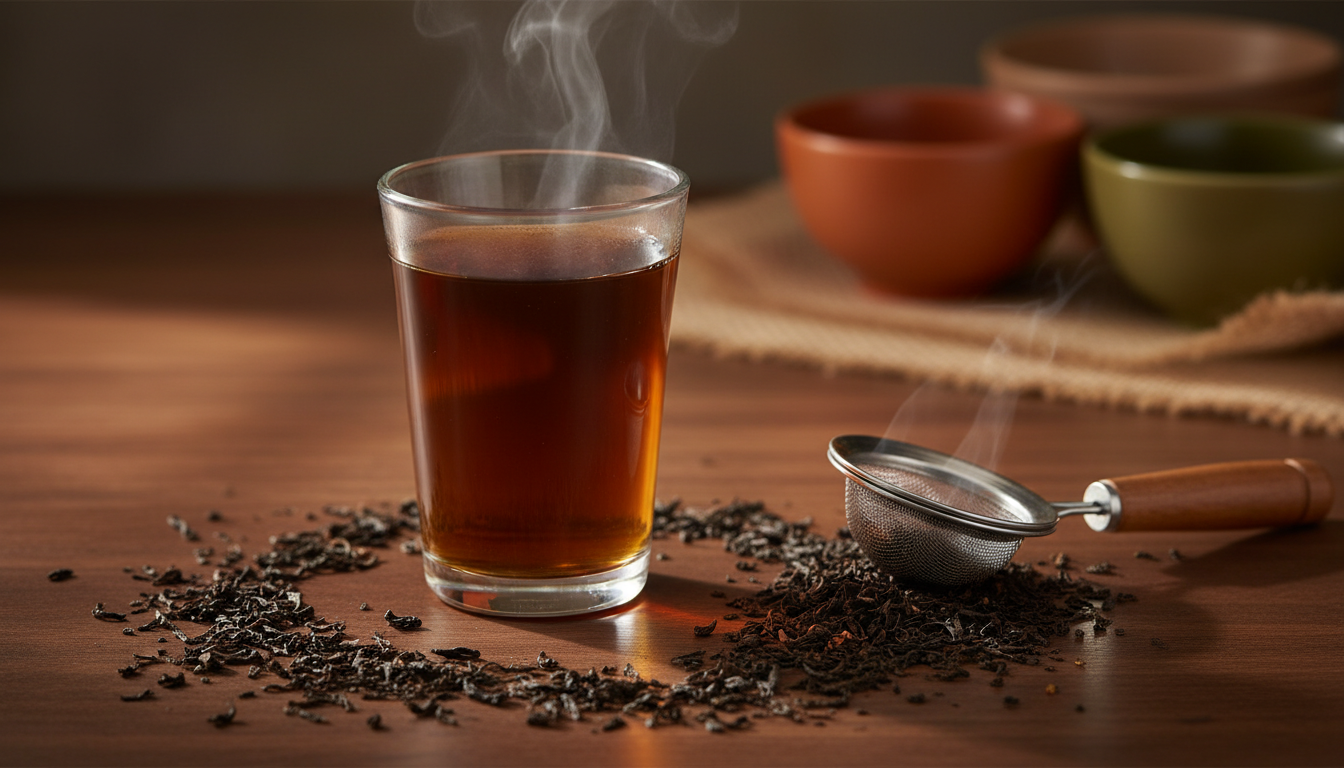

Black Tea: Types, Processing, and How to Brew It
Black tea is fully oxidized Camellia sinensis. Compare Assam, Darjeeling, Keemun, and Ceylon varieties. Learn processing, brewing, and caffeine levels.
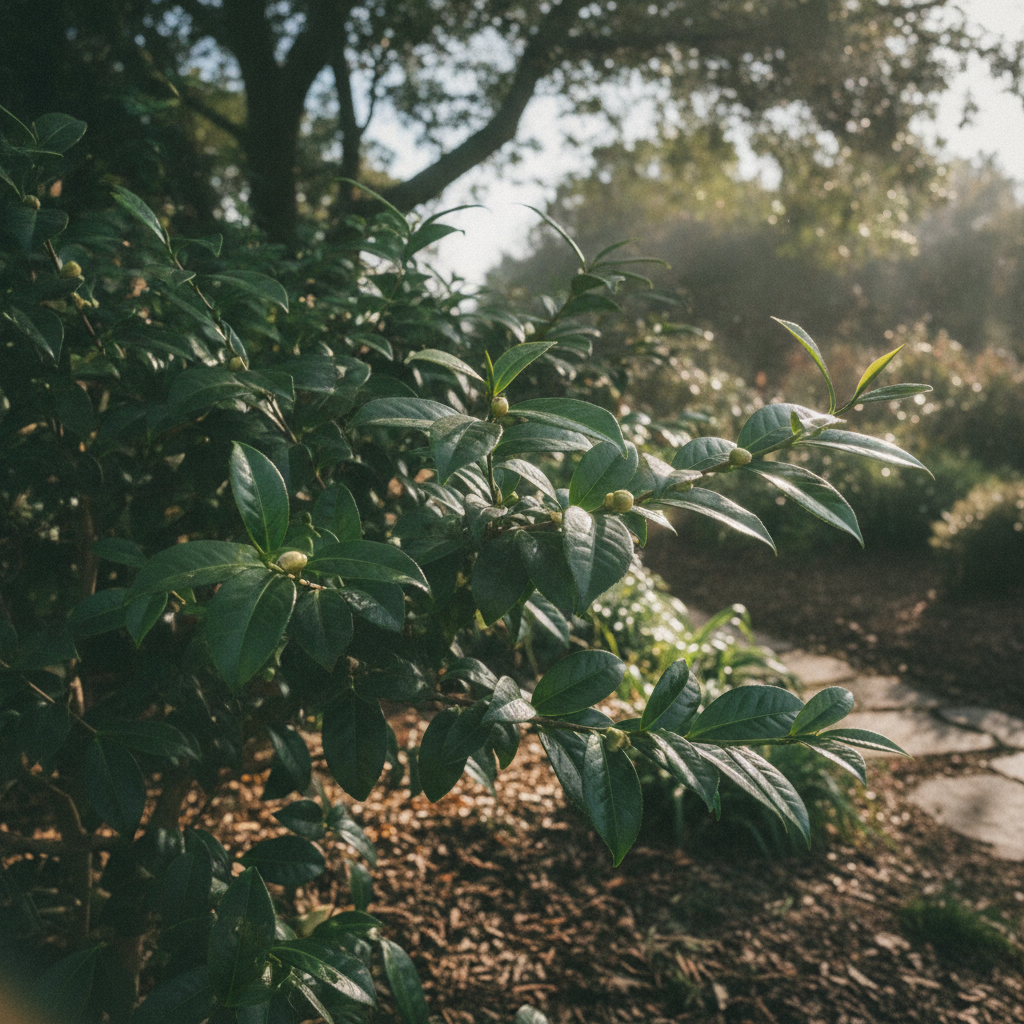

How To Grow Black Tea
Learn how to grow black tea at home: soil, climate, and the five processing steps from fresh leaf to a finished cup of black tea.

Wisdom is the path to better tea.
Get our free brewing guide: the right water, heat and timing for every tea we sell. You will also hear it first when new harvests arrive.
No spam. Unsubscribe any time.
Check your inbox.
The guide is on its way.