












What Is Valley of Tea Darjeeling Tea?
Darjeeling tea is tea grown and manufactured in the Darjeeling district of West Bengal, India. Darjeeling tea is grown in a narrow strip of the eastern Himalayas in West Bengal, India — roughly 70 tea gardens spread across ridges and valleys between 600 and 2,000 meters above sea level. The region is small. Total annual production is around 8–10 million kilograms, which sounds like a lot until you compare it to Assam's 700 million. Darjeeling accounts for barely 1% of India's total tea output, yet it commands some of the highest prices of any tea in the world. There is a reason for that, and it has everything to do with altitude, climate, and a particular cultivar that thrives nowhere else quite the same way.
Valley of Tea sources Darjeeling from the famous tea gardens of West Bengal because they represent something we cannot replicate from any other origin. First flush is lighter, more floral and aromatic — my preference. Second flush delivers the muscatel character Darjeeling is famous for: richer, more full-bodied, and unmistakably its own thing. Both are excellent, but the muscatel of a good second flush is what makes Darjeeling truly unique among teas. The combination of cool mountain air, monsoon-driven seasonality, and the Chinese-hybrid tea plant creates a cup that is genuinely unlike any other black tea. If you have only ever drunk Assam or Ceylon, your first good Darjeeling will recalibrate what you think black tea can be.

What Is Darjeeling Tea
The Tea Board of India protects "Darjeeling" as a geographical indication — similar to how Champagne is protected in wine. Only tea produced from gardens registered in the Darjeeling district, processed within the district, and certified by the Tea Board can legally carry the Darjeeling name and its distinctive logo.
Most Darjeeling tea is black tea, though the gardens also produce green, white, and oolong styles. The dominant plant variety is the Chinese cultivar Camellia sinensis var. sinensis, or hybrids derived from it. This is significant because most Indian tea — Assam, Nilgiri, and the southern plains — uses the larger-leafed Assam variety (Camellia sinensis var. assamica). The Chinese cultivar produces a smaller, more delicate leaf with a naturally lighter, more aromatic character.
When you combine that plant type with cool Himalayan temperatures, misty growing conditions, and elevations that slow the leaf's growth cycle, you get the concentrated, complex flavor profile that defines Darjeeling.
The industry dates to the 1840s, when the British began experimental plantings in the Darjeeling hills. By the 1860s, commercial gardens were established — Makaibari (1859), Castleton, and Margaret's Hope among the earliest. Many of these gardens are still producing today, and their names carry weight in the trade the same way vineyard names carry weight in Burgundy.
First Flush vs Second Flush vs Autumn Flush
Darjeeling's seasons are not optional context — they fundamentally change what ends up in your cup. The same garden, the same bushes, picked three months apart will produce teas that taste like they come from different continents.

First Flush (late February to mid-April)
After winter dormancy, the bushes push out their first new growth. First flush Darjeeling is prized for its freshness and aromatics. The liquor is light gold to pale amber — sometimes so light it looks more like a green tea. The flavor is bright, floral, and vegetal with a lively astringency. You will find notes of fresh grass, white flowers, green grape, and sometimes a sharp, almost citrus-like brightness.
First flush Darjeeling is the most delicate expression of the region. It does not taste like a typical black tea, and that catches people off guard. The leaf appearance is often greenish with silvery tips, reflecting the minimal oxidation some producers apply to first flush lots.
First flush commands premium prices because the volume is small — the bushes are just waking up — and demand is intense, particularly from Germany and Japan. Invoices for top lots from gardens like Castleton or Margaret's Hope are finalized before the tea has even finished processing. Moondrops Darjeeling is a fine example of what first flush from a quality Rohini estate looks like.
Second Flush (late May to June)
Warmer weather and longer days push more vigorous growth. The leaf is more mature, and producers apply fuller oxidation. Second flush Darjeeling is what most people picture when they think of Darjeeling tea — a deeper amber liquor with the famous muscatel character. Muscatel is the signature flavor: a sweet, musky, grape-like quality that develops when certain terpene compounds in the leaf interact with warm-weather growing conditions and the oxidation process. Not every second flush lot has it, but the best ones do, and it is unmistakable once you have tasted it.
Second flush teas are rounder, more full-bodied, and more recognizably "black tea" than first flush. Alongside the muscatel, you may find stone fruit, honey, a hint of toasted grain, and a smooth astringency that finishes clean. Second flush is generally more approachable if you are coming from other black teas, because it has familiar body and warmth alongside the Darjeeling-specific aromatics. Try Gopaldhara Second Flush if you want to experience muscatel at its best.

Autumn Flush (October to November)
After the monsoon rains taper off, the gardens produce one final harvest before winter. Autumn flush Darjeeling is mellow and copper-colored, with a rounded sweetness and less of the sharp definition of first or second flush. The character sits somewhere between the two main seasons — more body than first flush, less intensity than second. Autumn flush is often the best value in Darjeeling because it receives less attention from the market, yet a good autumn lot is a thoroughly enjoyable tea.
There is also a monsoon flush harvested during the rainy season (July to September), but these teas are generally lower grade, lacking the concentration and clarity of the main seasons. Most monsoon flush goes into blends rather than being sold as single-origin Darjeeling.
Tea Gardens and Terroir
Darjeeling's roughly 70 registered gardens are not interchangeable. The district spans a range of microclimates, soil types, and elevations, and individual gardens have reputations built over decades.
Elevation matters
Gardens above 1,500 meters — like Castleton, Margaret's Hope, and Thurbo — tend to produce the most aromatic, refined teas. The higher altitude means cooler temperatures, more mist, slower growth, and greater concentration of flavor compounds in each leaf. Lower-elevation gardens (600–1,000m) produce teas with more body but less of the high-grown aromatic finesse.
Aspect and microclimate
A garden's orientation — which valley it sits in, whether it faces east or west, how much morning mist it receives — shapes the flavor of its teas in ways that are difficult to predict from altitude alone. Thurbo, at around 1,500 meters on the Mirik slope, produces second flush teas with a distinctive woody, almost nutmeg-like character. Margaret's Hope, at similar elevation but in a different valley, tends toward rounder muscatel with more fruit. These are consistent tendencies you can track year after year.

Cultivar variation
Most Darjeeling gardens grow a mix of old Chinese-type bushes, Assam hybrids, and clonal varieties developed by the Darjeeling Tea Research Association. The oldest Chinese-type bushes — some over a century old — produce tiny yields of highly concentrated leaf. Clonal varieties like AV2, T78, and B157 were developed for specific flavor characteristics: AV2 is known for producing pronounced muscatel in second flush, while other clones favor floral or spicy profiles.
When a garden specifies a clonal lot, it means the tea was harvested from a single cultivar block, giving a more focused flavor. The terroir concept applies directly. Two gardens five kilometers apart, at the same elevation, plucking on the same day, will produce different teas. This is why single-estate Darjeeling is worth seeking out — the garden name tells you something meaningful about what to expect.
What Darjeeling Tea Tastes Like
Darjeeling's flavor range is wider than most people expect, but certain characteristics run through all good Darjeeling regardless of season.
Muscatel
The defining flavor, most pronounced in second flush. It is a sweet, musky, grape-like quality — think Muscat grapes rather than raisins. Research published in the Journal of Agricultural and Food Chemistry confirms that linalool and geraniol — two terpene compounds — are the primary drivers of Darjeeling's muscatel aroma, developing during the oxidation of Chinese-variety leaf under Darjeeling's specific climate conditions. Not all Darjeeling has muscatel. First flush rarely shows it. But in a good second flush, it is the backbone of the cup.
Floral
Darjeeling carries floral notes across all seasons — from the sharp white-flower brightness of first flush to the rounder, honeyed florals of autumn. First flush Darjeeling can be strikingly floral, with jasmine, lily, or orchid-like aromatics that rise from the cup before you even taste it.

Astringency and brightness
Darjeeling has a lively, clean astringency that differs from the heavy tannic grip of over-brewed Assam. In a well-brewed cup, this astringency reads as "brightness" — a mouth-feel that is crisp and refreshing rather than drying. It is one of the reasons Darjeeling works so well without milk.
Body
Compared to Assam or Ceylon, Darjeeling is light to medium-bodied. This is not a tea that fills your mouth with malt and weight. The appeal is aromatic complexity and finesse rather than brute strength. If you want a tea to stand up to milk and sugar, Darjeeling is not the best choice. If you want a tea to sip attentively and notice how the flavor evolves across the cup, Darjeeling is exactly right.
How to Brew Darjeeling Tea
Darjeeling rewards more care than most black teas. The delicate aromatics that make it special are easy to destroy with boiling water or over-steeping.
First flush Darjeeling
- Water temperature: 85–90°C. This is lower than typical black tea, and it matters. Boiling water scorches first flush leaf and flattens the floral aromatics into a generic astringency.
- Leaf: 2.5g per 200ml.
- Steep time: 2–3 minutes. Taste at 2 minutes. First flush extracts quickly.
- Re-steeps: 2–3 additional infusions are possible, each revealing slightly different aspects of the leaf.
Second flush Darjeeling
- Water temperature: 90–95°C. Second flush handles slightly hotter water because the leaf is more oxidized and robust.
- Leaf: 2.5g per 200ml.
- Steep time: 3–4 minutes. The muscatel character develops nicely around the 3-minute mark.
- Re-steeps: 1–2 additional infusions.
Autumn flush Darjeeling
- Water temperature: 90–95°C.
- Leaf: 3g per 200ml.
- Steep time: 3–5 minutes. Autumn flush is forgiving.
- Re-steeps: 1–2.
Use water with low mineral content. Hard water mutes Darjeeling's aromatics and turns the liquor cloudy. Filtered water or soft spring water is ideal. Avoid distilled water — it tastes flat.
Pre-warm your vessel. Darjeeling brews best in a porcelain cup, gaiwan, or small teapot. Glass works well for first flush if you want to appreciate the pale golden liquor.

Darjeeling Tea Grades
Darjeeling uses the orthodox grading system common to Indian and Sri Lankan black teas. The grades describe leaf size and appearance, not quality directly — though in practice, finer grades tend to come from more careful plucking.
SFTGFOP (Super Fine Tippy Golden Flowery Orange Pekoe)
The highest commercial grade. Indicates a high proportion of golden tips (the youngest leaf buds), carefully plucked and processed. Most premium single-estate lots are graded SFTGFOP or FTGFOP.
FTGFOP (Fine Tippy Golden Flowery Orange Pekoe)
One step below. Still excellent quality leaf with visible golden tips.
TGFOP (Tippy Golden Flowery Orange Pekoe)
The standard grade for good Darjeeling. Plenty of tip, well-made leaf.
GFOP, FOP, OP
Progressively less tip and sometimes a slightly coarser pluck. These grades are perfectly decent tea but lack the refinement of the higher grades.

Fannings and dust
The smallest particles, generally destined for tea bags. Darjeeling fannings can still taste good — the flavor compounds are all there — but you lose the nuance and re-steepability of whole-leaf grades.
The grade tells you about the physical leaf. It does not tell you about the garden, the season, or the specific lot. A TGFOP from Castleton second flush will almost certainly be a better cup than an SFTGFOP from a less distinguished garden during monsoon season. Use grades as one data point, not the deciding factor.
Buying Quality Darjeeling
Darjeeling's small production and high demand create a well-documented problem: more "Darjeeling tea" is sold worldwide than the region actually produces. Estimates suggest that four to five times the genuine production volume is marketed as Darjeeling, blended with cheaper teas from other origins. Here is what to look for.
Single estate, named garden
If the package names a specific garden — Castleton, Margaret's Hope, Thurbo, Makaibari, Goomtee, Jungpana — that is a strong indicator of authenticity. Blends labeled simply "Darjeeling" without estate detail may contain as little as 20–30% actual Darjeeling leaf.
Flush and year
Quality Darjeeling is seasonal, and good sellers specify it: "Second Flush 2025, Margaret's Hope" tells you exactly what you are getting. Generic "Darjeeling" with no seasonal or vintage information is usually a blend or older stock.

Certification
The Tea Board of India's Darjeeling logo — a woman holding a tea leaf — certifies geographic origin. Trustworthy sellers can trace their lots back to specific invoices and auction records.
Whole leaf
Buy loose-leaf, not tea bags. Darjeeling's complexity shows up in whole-leaf grades. Tea bags contain fannings and dust that brew a one-dimensional cup and cannot be re-steeped.
Price
Genuine Darjeeling is not cheap. If you find Darjeeling at the same price as commodity Assam or Ceylon, it is almost certainly not pure Darjeeling. A 100g package of good single-estate Darjeeling typically costs more than a comparable amount of most other black teas. That reflects the limited supply and the labor-intensive orthodox manufacturing process.
At Valley of Tea, we source Darjeeling from specific estates and specific flushes. Personally, I prefer first flush for the subtle flavour — I love Gopaldhara Darjeeling for its floral depth, and our Gopaldhara First Flush oolong is extraordinary if you want something truly rare. We specify the garden, the season, and the year because that information is not a marketing detail — it defines what the tea actually is. Darjeeling that arrives without that context could be anything. Darjeeling with full traceability is a cup you can trust, evaluate, and return to knowing it will deliver the same character from the same place.
Related Articles
Leave a comment
Comments will be approved before showing up.
Also in Valley of Tea Blog | Tea Guides, Origins & Brewing Tips
The Complete Guide to Drinking Tea
What tea is, how the main types differ in the cup, and how to brew each one properly. Water temperature, steeping times, storage and how to get more than one cup from your leaves.
Read More
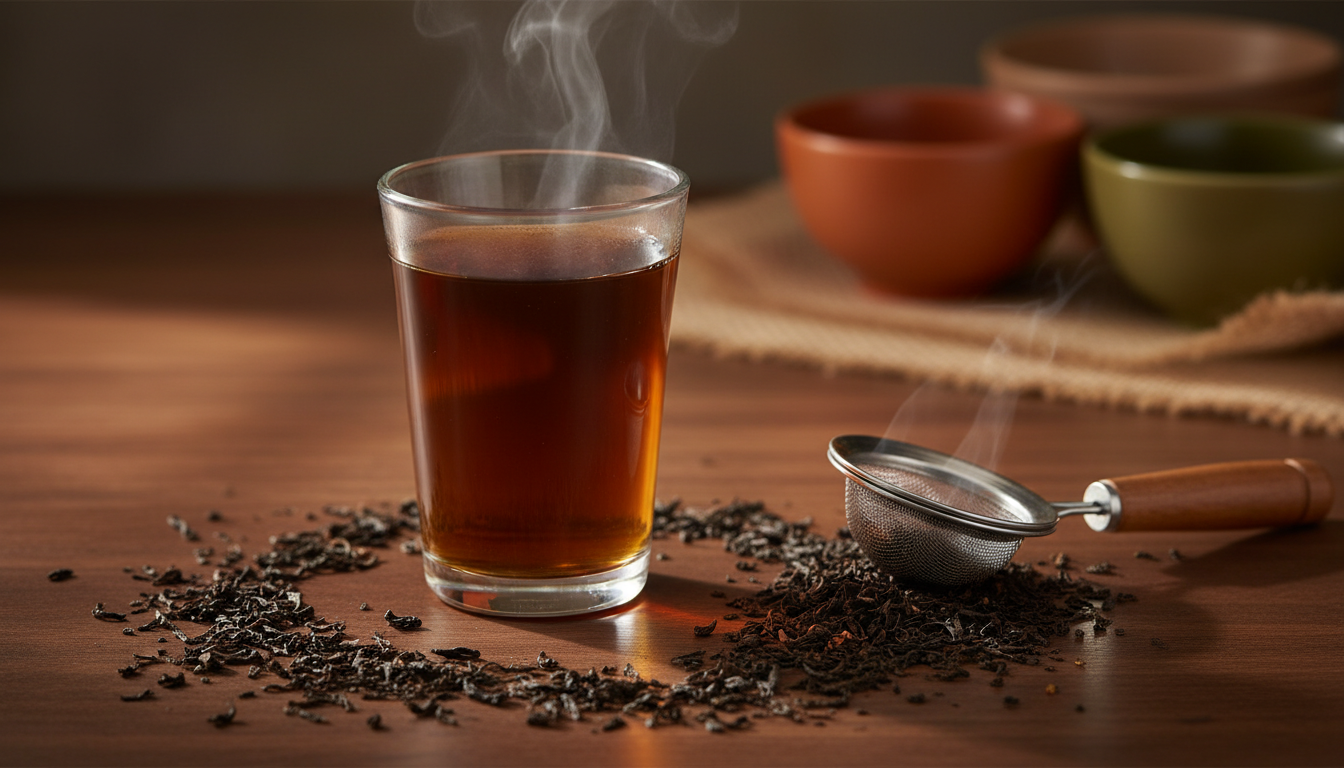

Black Tea: Types, Processing, and How to Brew It
Black tea is fully oxidized Camellia sinensis. Compare Assam, Darjeeling, Keemun, and Ceylon varieties. Learn processing, brewing, and caffeine levels.
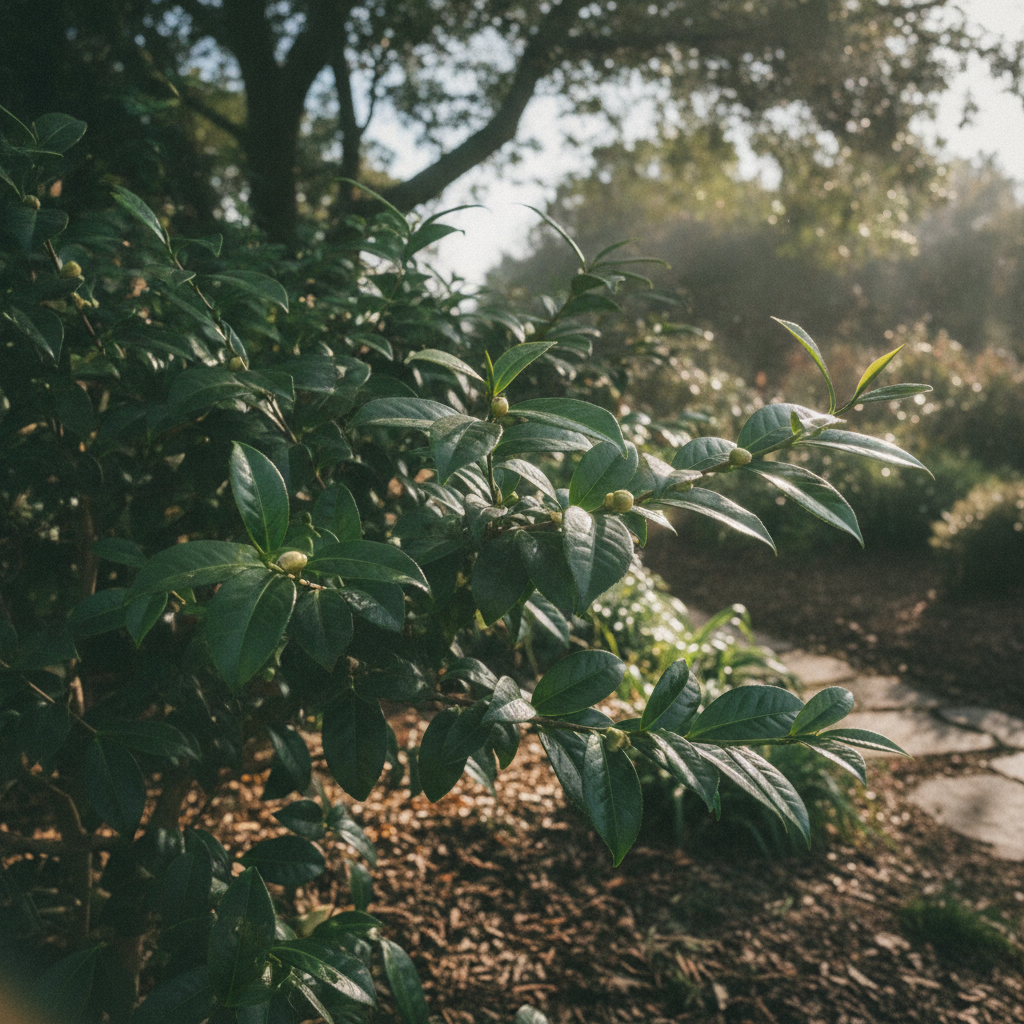

How To Grow Black Tea
Learn how to grow black tea at home: soil, climate, and the five processing steps from fresh leaf to a finished cup of black tea.

Wisdom is the path to better tea.
Get our free brewing guide: the right water, heat and timing for every tea we sell. You will also hear it first when new harvests arrive.
No spam. Unsubscribe any time.
Check your inbox.
The guide is on its way.