












What Is Valley of Tea Earl Grey Tea?
Earl Grey is one of the most recognizable tea names in the world. Walk into any hotel lobby, any airport lounge, any office kitchen with a tea selection, and Earl Grey will be there. The name carries weight. But most people who drink Earl Grey have never had a version made with real bergamot oil and quality loose leaf tea. They have had a tea bag with synthetic flavoring — and that is a fundamentally different product.
Valley of Tea's Earl Grey is built from quality black tea scented with natural bergamot oil sourced from Calabria, Italy. No artificial flavoring, no "nature-identical" compounds, no shortcuts. This guide covers what Earl Grey actually is, where the bergamot comes from, what our blend tastes like, how to brew it properly, and how to tell the difference between a good Earl Grey and a mediocre one.

What Is Earl Grey Tea
Earl Grey is a flavored tea. Specifically, it is black tea scented or infused with oil of bergamot — a citrus fruit grown primarily in southern Italy. That is the entire definition. If it contains bergamot oil and black tea, it is Earl Grey. If it does not contain bergamot, it is not Earl Grey, regardless of what the label says.
The name comes from Charles Grey, the 2nd Earl Grey, who served as British Prime Minister from 1830 to 1834. The origin story — that a Chinese mandarin gifted him a specially scented tea blend in gratitude for some diplomatic favor — is almost certainly apocryphal. There is no historical evidence to support it, and bergamot is not a Chinese ingredient. The more likely explanation is prosaic: a London tea merchant named the blend after a prominent political figure to boost sales, which was standard practice in the 19th century. The name stuck.
What matters more than the origin story is the definition. Earl Grey is not a tea variety, not a processing method, and not a geographic designation. It is a flavoring category. The base tea and the quality of the bergamot oil are what separate a great Earl Grey from a forgettable one. Most commercial Earl Grey teas use low-grade black tea and synthetic bergamot flavoring — bergamyl acetate or linalyl acetate — because real bergamot essential oil is expensive. The difference in the cup is stark.
Bergamot Oil: The Calabrian Connection
Bergamot (Citrus bergamia) is a small, yellow-green citrus fruit that looks like a slightly flattened orange. You would not eat one — the flesh is sour and bitter. Its value lies entirely in the essential oil extracted from the rind.
Roughly 80% of the world's bergamot comes from a narrow strip of coastline in Calabria, the toe of Italy's boot. The Reggio Calabria province has a specific microclimate — warm, humid Mediterranean air combined with mineral-rich soil from the Aspromonte mountains — that produces bergamot with an aromatic complexity no other growing region has been able to replicate. Bergamot is also grown in Ivory Coast, Argentina, and Turkey, but Calabrian bergamot commands a premium because the oil profile is richer and more nuanced.

The oil is cold-pressed from the fruit's rind, typically between November and March. Good bergamot oil has a layered aroma: bright citrus on top, a floral mid-note, and a slightly resinous, almost balsamic depth underneath. Synthetic bergamot flavoring captures the top note — the bright citrus hit — but misses everything beneath it. That is why Earl Grey made with real Calabrian bergamot oil tastes three-dimensional, while the synthetic version tastes flat and one-note.
The bergamot oil we use at Valley of Tea is cold-pressed Calabrian bergamot. When I have compared it directly against bergamot from other origins, the difference in the oil profile is immediate — richer, more layered, and with that resinous depth underneath the citrus. It is what gives our Earl Grey its aromatic complexity and distinguishes it from the commodity versions that dominate supermarket shelves.
Our Earl Grey Blend
Valley of Tea's Earl Grey starts with the base tea. We use a quality black tea with enough body to support the bergamot without being overpowered by it. This is a critical balance. If the base tea is too light, the bergamot dominates and the cup tastes like citrus perfume. If the base tea is too heavy and malty, the bergamot gets buried and you lose the entire point of Earl Grey. The sweet spot is a medium-bodied black tea with some natural sweetness and a clean finish.
The bergamot oil is applied to the finished tea and allowed to absorb. This is the traditional method — the oil coats the dry leaf and infuses into it over time. Some Earl Grey blends also include dried bergamot pieces in the leaf. Those pieces do not contribute meaningful flavour to the cup — they are essentially stuffing that adds visual weight to the blend.
Only the oil matters. When you open the package, the bergamot aroma should be immediately present but not aggressive. If the scent is overwhelming and sharp, the tea is likely using synthetic flavoring at a high concentration to compensate for a lack of depth.

Our Earl Grey is loose leaf. This matters more than most people realize. Tea bags — even good ones — contain smaller leaf particles that extract faster and less evenly. Loose leaf gives you control over the steep and produces a cleaner, more balanced cup. The whole leaves also hold up better across multiple infusions, which means you get more cups per serving.
What Earl Grey Tastes Like
A properly made cup of Earl Grey is a balance between two elements: the malty, smooth character of the black tea base and the bright, floral citrus of the bergamot. Neither should overwhelm the other.
The first thing you notice is the aroma. Good Earl Grey is one of the most fragrant teas you can brew. The bergamot rises off the cup — citrus, a hint of lavender-like floral sweetness, and something slightly spicy underneath. The aroma sets up the flavor.
On the palate, the bergamot arrives first: bright citrus, not sharp or acidic, but clean and lifted. Then the black tea comes through — smooth, lightly malty, with a gentle body that carries the citrus and grounds the cup. The finish is where quality shows. A good Earl Grey finishes with a lingering floral-citrus note that stays on the palate. A cheap Earl Grey finishes with nothing, or worse, with a synthetic aftertaste.
The overall impression should be elegant. Earl Grey is not a punch-you-in-the-face tea. It is refined, aromatic, and balanced. That is why it has endured for nearly two centuries — it rewards attention without demanding it.

How to Brew Earl Grey Tea
Earl Grey is not difficult to brew, but the parameters matter. Bergamot oil is volatile — it degrades with excessive heat and over-extraction. This means the margin between a perfect cup and a bitter, over-steeped one is narrower than with an unflavored black tea.
Water temperature: 95-100 degrees Celsius. A full rolling boil is fine, but if you want to preserve the more delicate bergamot aromatics, let the kettle rest for 20-30 seconds after boiling to drop to around 95 degrees. This is not critical, but it makes a noticeable difference.
Leaf quantity: 3g per 250ml. That is roughly one rounded teaspoon of loose leaf. If you prefer a stronger cup, increase the leaf quantity rather than the steep time. More leaf at the correct steep time gives you intensity without bitterness. A longer steep with the same amount of leaf gives you tannins.
Steep time: 3-4 minutes. This is the most important variable. Start tasting at 3 minutes. Most people will find the sweet spot at 3.5 minutes. Do not go past 4 minutes unless you are adding milk. Over-steeping Earl Grey is the single most common mistake — it turns the bergamot bitter and flattens the tea's natural sweetness.
Water quality: Filtered water, if your tap water is chlorinated. Chlorine reacts with the bergamot compounds and produces off-flavors. If your water tastes clean, it is fine for Earl Grey.

Re-steeps: You can get a second infusion from quality loose leaf Earl Grey. Extend the steep to 4-5 minutes. The bergamot will be lighter in the second cup, and the black tea base will be more prominent. It is a different but still enjoyable cup.
Preheat your cup or teapot before brewing. Cold ceramic drops the water temperature instantly, which affects extraction. Pour in some hot water, swirl, discard, then brew. It takes ten seconds and improves the result.
Earl Grey Variations
Earl Grey has spawned several well-known variations over the years. Each modifies the basic formula in a different direction.
Lady Grey was trademarked by Twinings in the 1990s. It adds lemon peel and orange peel to the standard Earl Grey blend, producing a lighter, more citrus-forward cup. It was designed to appeal to drinkers who found traditional Earl Grey too strong. The bergamot is dialed back, and the citrus peel adds a brighter, sweeter note. It is a pleasant tea, though purists tend to dismiss it.
Green Earl Grey substitutes green tea for the black tea base. The result is a lighter, grassier cup with the bergamot sitting on top. It is an interesting combination — the vegetal character of green tea and the floral citrus of bergamot create something that does not taste like either component alone. Brew at a lower temperature (75-80 degrees Celsius) if you try a green base version. Our Gunpowder Green Tea gives you a sense of the base character you are working with in a green Earl Grey.

Russian Earl Grey adds lemongrass and sometimes orange peel to the blend. The name has no particular Russian origin — it is a marketing invention. The lemongrass adds a bright, herbal note that amplifies the citrus character of the bergamot. It is refreshing as an iced tea.
Earl Grey Creme or Earl Grey Vanilla adds vanilla flavoring to the bergamot. The combination is popular and makes sense — vanilla's sweetness rounds off the bergamot's sharper edges. Quality varies wildly depending on whether real vanilla extract or synthetic vanillin is used.
Earl Grey Latte (London Fog)
The London Fog is an Earl Grey latte that has become a coffeehouse staple. It originated in Vancouver, Canada in the late 1990s and spread through specialty coffee shops before being adopted by the major chains.
The preparation is straightforward. Brew Earl Grey strong — use 4-5g of leaf per 150ml of water, steeped for 4 minutes. You want a concentrated brew because it will be diluted with milk. Steam or froth about 150ml of milk (dairy or oat milk works well; almond milk tends to be too thin). Pour the frothed milk over the tea. Add vanilla syrup or a small amount of honey if you want sweetness.
The result is creamy, aromatic, and rounded. The bergamot comes through the milk in a way that is more subtle than a straight cup but still distinctly Earl Grey. It is an excellent introduction to the tea for people who normally drink lattes. A London Fog made with quality Earl Grey and real vanilla is significantly better than the coffeehouse version made with a generic tea bag and vanilla-flavored syrup.

With Milk or Without
This is a matter of preference, but here is the practical reality.
Earl Grey was historically drunk without milk. The bergamot's floral and citrus character is best appreciated in a clean, straight cup. Milk mutes the aromatics and softens the citrus edge — which is the entire reason you are drinking Earl Grey instead of plain black tea. If you want the full bergamot experience, drink it black.
That said, Earl Grey with a splash of milk is perfectly good. The bergamot is resilient enough to cut through a modest amount of dairy, and the combination of malty tea, creamy milk, and bright citrus has a satisfying roundness. The key word is splash. Earl Grey is not English Breakfast — it is not built to survive heavy milk. Add 10-15ml, not 30-40ml.
If you add milk, brew slightly longer — push to 4 minutes rather than 3 — to ensure the tea has enough extraction to maintain its character after dilution.
Caffeine Content
Earl Grey contains caffeine because its base is black tea. A standard cup brewed at 3g per 250ml for 3-4 minutes contains approximately 40-70mg of caffeine. The exact amount depends on the specific black tea used, the water temperature, and the steep time.

For context, a cup of coffee contains 80-120mg. Earl Grey sits in the moderate range — well below a typical cup of coffee. Tea also contains L-theanine, an amino acid found naturally in the tea plant. Caffeine and L-theanine occur together in the leaf, which is one of the chemical differences between a cup of tea and a cup of coffee.
If you are sensitive to caffeine, Earl Grey in the afternoon or evening may disrupt your sleep. A shorter steep (2-2.5 minutes) will reduce the caffeine extraction significantly while still delivering the bergamot flavor.
Buying Quality Earl Grey
The gap between good Earl Grey and bad Earl Grey is wider than almost any other tea category. The flavoring masks a multitude of sins — cheap base tea, synthetic bergamot, stale leaf — and most consumers cannot tell the difference until they taste a properly made version.
Here is what to look for.
Ingredient list: "Black tea, bergamot oil" is what you want. If the label says "natural flavoring" or "bergamot flavor," that is synthetic or at best a diluted extract. Real bergamot oil will be listed as bergamot oil or bergamot essential oil. The difference in the cup between natural Calabrian bergamot oil and an artificial substitute is not subtle — artificial bergamot is one-note and synthetic-tasting, while the real thing has layers that unfold as the cup cools.

Leaf quality: Look for whole leaf or large leaf pieces. If the tea looks like dust or tiny uniform granules, it is CTC-grade commodity tea. It will brew dark and strong but will lack the complexity and smoothness of whole leaf.
Aroma of the dry leaf: Open the package and smell. Good Earl Grey smells like bergamot and tea — citrus, floral, a hint of malt. Bad Earl Grey smells like a citrus-scented cleaning product. The difference is unmistakable once you have experienced both.
Source transparency: A seller who tells you where the base tea comes from and specifies Calabrian bergamot oil is more likely to be selling a quality product than one who simply labels it "Earl Grey" with no further detail.
Freshness: Earl Grey degrades faster than unflavored tea because bergamot oil is volatile. The aromatics fade over time. Buy from sellers who move volume and store properly. If the Earl Grey you bought smells like plain black tea, the bergamot has evaporated — the tea is old.
Valley of Tea's Earl Grey checks all of these boxes. Whole leaf black tea. Cold-pressed Calabrian bergamot oil. No synthetic flavoring. Shipped fresh. It is Earl Grey the way Earl Grey is supposed to taste — and once you have had the real thing, the supermarket version will never be quite enough again.
Related Articles
Leave a comment
Comments will be approved before showing up.
Also in Valley of Tea Blog | Tea Guides, Origins & Brewing Tips
The Complete Guide to Drinking Tea
What tea is, how the main types differ in the cup, and how to brew each one properly. Water temperature, steeping times, storage and how to get more than one cup from your leaves.
Read More
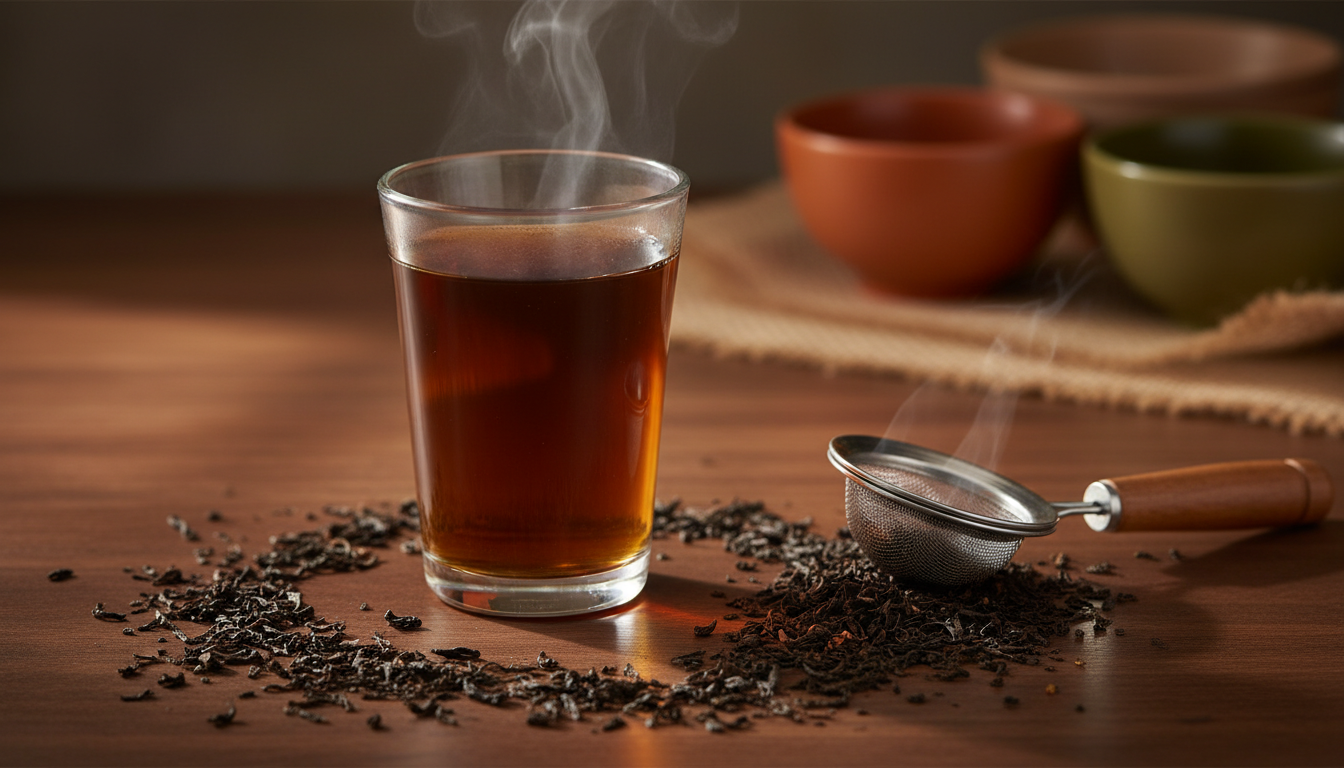

Black Tea: Types, Processing, and How to Brew It
Black tea is fully oxidized Camellia sinensis. Compare Assam, Darjeeling, Keemun, and Ceylon varieties. Learn processing, brewing, and caffeine levels.
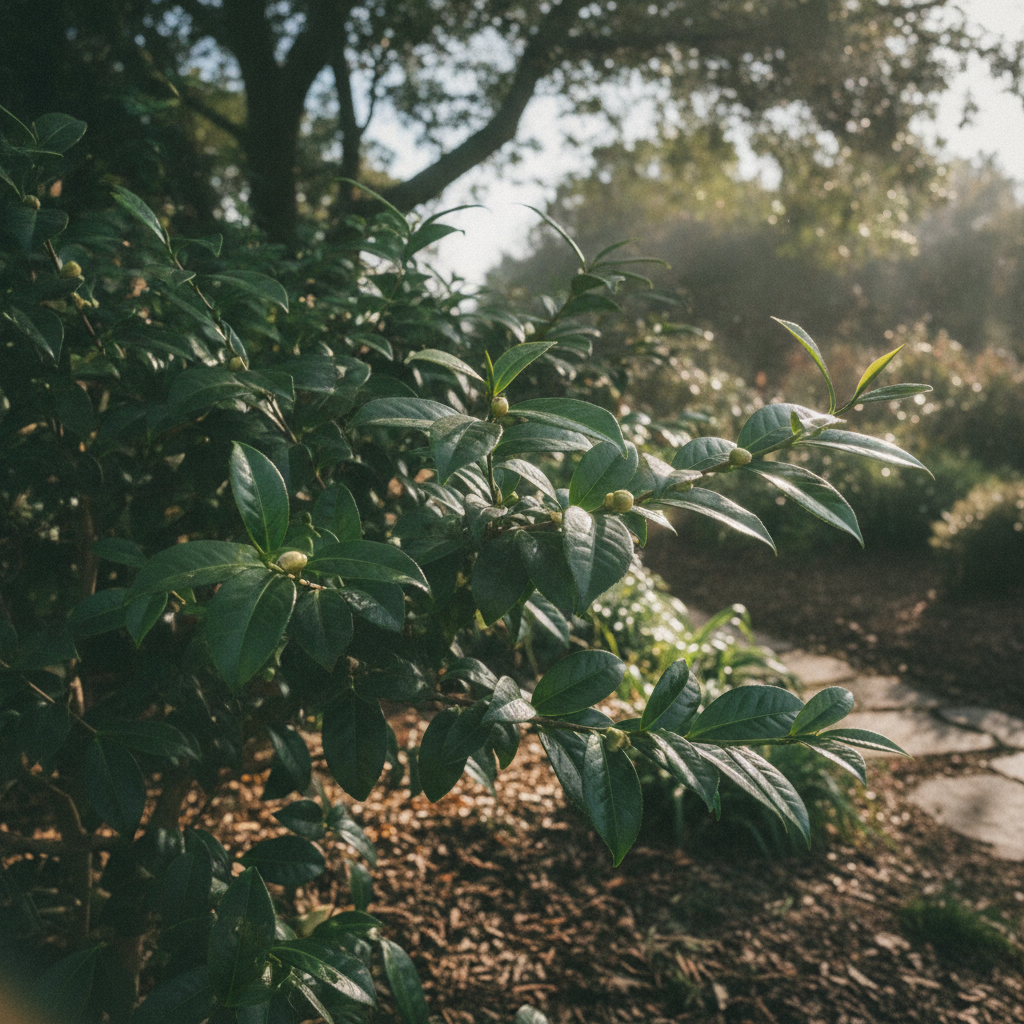

How To Grow Black Tea
Learn how to grow black tea at home: soil, climate, and the five processing steps from fresh leaf to a finished cup of black tea.

Wisdom is the path to better tea.
Get our free brewing guide: the right water, heat and timing for every tea we sell. You will also hear it first when new harvests arrive.
No spam. Unsubscribe any time.
Check your inbox.
The guide is on its way.