












What Is Valley of Tea English Breakfast Tea?
English Breakfast tea is the most widely consumed tea blend in the English-speaking world. Not a single-origin tea, not a variety, not a cultivar — a blend. That distinction matters, because it explains why one brand's English Breakfast tastes nothing like another's. The name describes an idea, not a recipe.
Every tea company builds its own version from whatever black teas it has access to, targeting a cup that is full-bodied, malty, and strong enough to stand up to milk.

Valley of Tea's English Breakfast is a loose leaf blend built from high-quality whole leaf black teas. We source and blend for a cup that delivers the robust body people expect from a breakfast tea, without the flat, one-dimensional character that comes from low-grade fannings and dust. This guide covers what goes into English Breakfast tea, how it compares to other breakfast blends, how to brew it properly, and what to look for when buying.
What Is English Breakfast Tea
English Breakfast is a blended black tea. It is not a tea plant variety, not a processing method, and not a geographic designation. It is a category defined by purpose: a strong, full-bodied black tea intended for the morning cup, traditionally taken with milk.
The blend as a named category dates to the mid-19th century. The commonly cited origin story credits Richard Davies, a Scottish tea merchant working in New York, with marketing a blend under the "English Breakfast" name around 1843. Queen Victoria reportedly encountered it during a visit and brought the concept back to England, where it became a fixture. Whether the specifics are accurate or apocryphal, the timeline fits: by the late 1800s, English Breakfast was an established commercial category. For a thorough history of the blend's origins, see the Wikipedia entry on English Breakfast tea.
What changed the blend dramatically was the rise of Assam and Ceylon teas in the latter half of the 19th century. Before Indian and Sri Lankan production scaled up, most tea consumed in England was Chinese — Keemun and Congou were the backbone of early breakfast blends. As Assam and Ceylon overtook Chinese exports in volume and price, English Breakfast shifted from a Chinese tea blend to an Indian and African tea blend. Today, very few commercial English Breakfast teas contain any Chinese tea at all.
The key point: there is no standard recipe. "English Breakfast" on a label means the blender is aiming for a strong, malty, full-bodied black tea suitable for morning drinking. The specific teas used are entirely at the blender's discretion.
What Goes Into the Blend
Most modern English Breakfast blends are built from two or three origins. The most common components are Assam, Ceylon, and Kenyan black tea, each contributing something distinct — Assam for malt and body, Ceylon for brightness, Kenyan for color and strength.

Valley of Tea's English Breakfast is a two-origin blend: Assam and Malawi. We use Assam because nothing else delivers the malt and body that define the category. The Malawi component — from small farmers in the highlands — adds strength and color without the astringency that excess Assam can introduce. The ratio between the two shifts each season based on incoming harvest quality.
When a particularly strong Assam lot arrives, we pull back slightly on Malawi; when the Assam is more restrained, we lean on Malawi for body. The cup profile stays consistent — full-bodied, malty, strong enough for milk — even as the agricultural reality underneath it changes.
Assam
Assam is the backbone of most English Breakfast blends. Assam teas from northeastern India are thick, heavy, and deeply malty with a dark copper-red liquor. They deliver the body and strength that define the category. Second-flush Assam (June–July) is particularly prized for its rich, full character. Without Assam, an English Breakfast blend tends to feel thin and incomplete.
Malawi
Malawi is less common in English Breakfast than Ceylon or Kenyan, but it is an underrated component. Malawi black teas from small highland farms are bold and vivid without the flat, commodity character of mass-produced East African CTC. In our blend, Malawi provides the supporting strength that lets the Assam malt come through cleanly.
Some English Breakfast blends include Chinese Keemun for complexity — a nod to the blend's historical roots. Keemun adds a smooth, slightly winey, aromatic note. It is uncommon in mass-market blends but appears in specialty versions.
English Breakfast vs Irish Breakfast vs Scottish Breakfast
The three "breakfast" blends occupy different points on the strength spectrum. They are all blended black teas, but they target different cup profiles.

English Breakfast
English Breakfast is the most balanced. It aims for a strong cup with enough body to take milk, but it retains some brightness and complexity. A well-made English Breakfast should be drinkable with or without milk. The Assam component is dominant but not overwhelming.
Irish Breakfast
Irish Breakfast is heavier. Irish blenders use a higher proportion of Assam — often 70–80% or more — producing a thicker, maltier, more robust cup. Irish Breakfast is built for milk. Drunk black, most Irish Breakfast blends are intense to the point of being tannic. The Irish tea tradition centers on a very strong brew with generous milk, and the blend reflects that. Some Irish Breakfast blends also include a significant Kenyan or East African component for additional strength.
Scottish Breakfast
Scottish Breakfast is the strongest of the three. It pushes even further toward Assam-heavy, full-bodied intensity. Scottish Breakfast is designed for very hard water (Scotland's water varies significantly by region), and the extra strength is partly calibrated to cut through mineral-heavy water that softens and flattens lighter teas. If English Breakfast is the balanced middle, and Irish Breakfast is the heavy side, Scottish Breakfast is the extreme.
In practice, the differences between brands within each category are often greater than the differences between categories. One company's English Breakfast may be stronger than another's Irish Breakfast. The labels are guidelines, not specifications.
What English Breakfast Tastes Like
A good English Breakfast tea should be malty, full-bodied, and smooth with a clean finish. The liquor is deep copper to reddish-brown. The aroma carries malt, a touch of honey, and sometimes a hint of dried fruit or toast.
The malt comes from the Assam component and is the defining flavor note. Think of it as the tea equivalent of a malty biscuit — warm, rich, slightly sweet without actual sweetness. Below the malt, there should be some brightness — a clean astringency that keeps the cup from feeling sluggish.

The finish should be clean, not bitter. Bitterness in English Breakfast typically signals either over-steeping or low-quality leaf. A well-sourced blend brewed correctly will have body and strength without harsh tannins.
With milk, the flavor profile shifts toward caramel and cream. The malt sweetness amplifies, the brightness softens, and the cup becomes smoother and rounder. This is the traditional English experience, and it explains why the blend is built the way it is — the strength has to survive dilution with milk and still taste like tea.
How to Brew English Breakfast Tea
English Breakfast is not a delicate tea. It handles boiling water and longer steep times well. That said, the parameters below produce the best results.
Loose Leaf English Breakfast
- Water temperature: 95–100°C. Full boil is fine. If your kettle boils to 100°C, let it sit for 15–20 seconds to drop to 95°C if you want a slightly smoother cup.
- Leaf amount: 3g per 250ml (roughly one rounded teaspoon of whole leaf).
- Steep time: 4–5 minutes. Taste at 4 minutes. If you take milk, go the full 5 — you need the extra extraction to maintain flavor after dilution.
- Water quality: Use filtered water if your tap water is heavily chlorinated. Hard water suits English Breakfast better than soft water — the minerals enhance body.
- Re-steeps: 1 additional infusion is possible with whole leaf. Extend the steep time to 6–7 minutes for the second cup. It will be noticeably lighter but still worthwhile.
If Using a Tea Bag (CTC)
- Water temperature: 100°C. CTC tea is designed for full boiling water.
- Steep time: 3–4 minutes. CTC tea extracts faster because of the smaller particle size.
- Re-steeps: Not realistic. CTC tea gives up nearly everything in the first infusion.
Preheat your cup or pot with hot water before brewing. This sounds like an affectation, but it makes a measurable difference — a cold vessel drops the water temperature immediately, which slows extraction and dulls the cup.
With Milk or Without
English Breakfast was designed to be drunk with milk. That is its historical context and its blending rationale. The high Assam content that gives the blend its body is specifically calibrated to survive dilution.
That said, a quality English Breakfast made from whole leaf tea is perfectly drinkable without milk. The key is the leaf quality. Cheap, dusty English Breakfast blends are unpleasant drunk black — they are tannic, harsh, and one-dimensional. A blend built from decent leaf has enough sweetness and complexity to stand on its own.

If you add milk, add it after the tea has brewed and you have removed the leaves. The quantity is personal, but start with a splash — perhaps 15–20ml per cup. You can always add more. The tea should darken to a warm amber-caramel color, not pale beige. If the cup looks like milky water, you have added too much.
Sugar is a matter of preference. Traditionally, English Breakfast with milk and one or two sugars was the default working-class cup. From a flavor perspective, a small amount of sugar (3–5g) smooths out any remaining astringency and rounds the malt. It is not necessary with quality leaf, but it is not wrong either.
English Breakfast and Caffeine
English Breakfast is a moderately high caffeine tea. A standard 250ml cup brewed for 4–5 minutes contains roughly 40–70mg of caffeine. The range is wide because caffeine content depends on the specific teas in the blend, the brewing parameters, and the leaf grade.
For context: a typical cup of filter coffee contains 80–120mg of caffeine. English Breakfast is roughly half to two-thirds the caffeine of coffee per cup. Espresso is more concentrated per milliliter but is served in 30ml shots, so a single espresso and a cup of English Breakfast are comparable in total caffeine.
Several factors push the caffeine content toward the higher end of the range: longer steep times, hotter water, and more leaf. The specific teas in the blend matter too — Assam tends to be slightly higher in caffeine than many other black teas. Research published in Beverages (2016) confirms that brewing time and method significantly affect the caffeine extracted per cup — see Theanine and Caffeine Content of Infusions Prepared from Commercial Tea Samples (PMC).
One common misconception is that CTC tea bags are higher in caffeine than whole leaf. CTC is a production method, not a quality indicator — it is a cheaper process that does not require preserving the whole leaf, and it typically uses lower-grade material. That lower-grade leaf often means less caffeine, not more. Anyone claiming CTC is stronger in caffeine than quality whole leaf did not start with a fair comparison.

English Breakfast is a common morning tea, with roughly half to two-thirds the caffeine of a cup of filter coffee. Tea (Camellia sinensis) also contains L-theanine, an amino acid naturally present in the leaf.
Loose Leaf vs Tea Bag English Breakfast
The vast majority of English Breakfast consumed worldwide comes in tea bags filled with CTC-processed tea — small, uniform granules produced by crushing, tearing, and curling the leaf mechanically. CTC is designed for fast extraction, strong color, and consistent flavor. It is efficient and reliable. It is also limited.
CTC tea sacrifices complexity for convenience. The crushing process breaks the leaf cells open completely, which accelerates oxidation and extraction but destroys many of the volatile aromatic compounds that give tea its nuance. The result is a one-note cup: strong, malty, dark, and that is about it.
Whole leaf English Breakfast retains more of the leaf's structural integrity. The leaves unfurl during steeping, releasing their compounds gradually. The cup has more layers — malt, yes, but also sweetness, a touch of fruit or honey, brightness from the secondary components, and a cleaner finish. You can taste the individual components working together rather than a single monolithic flavor.
The practical difference is significant. Whole leaf English Breakfast is a tea you can actually pay attention to and enjoy as a sensory experience. CTC English Breakfast is a strong, dark cup with little beyond that.
Whole leaf does require a bit more effort — you need a teapot or infuser, and you need to measure the leaf. But the improvement in cup quality is substantial, and the per-cup cost of loose leaf is often comparable to or lower than premium tea bags.

Buying Quality English Breakfast Tea
When shopping for English Breakfast, look for the following indicators:
Leaf appearance. Whole leaves or large broken pieces are better than dust and fannings. If you can see individual leaf structures, the tea was processed with some care. If it looks like fine powder or tiny granules, it is CTC — functional but limited.
Origin transparency. A blender who tells you what is in the blend (e.g., "Assam and Malawi" or "Assam with small-farm African tea") is signaling confidence in their sourcing. "Black tea" with no further detail usually means commodity-grade filler.
Freshness. Tea is not wine — it does not improve with age. Black tea holds its quality for 12–18 months after production if stored properly (airtight, away from light and moisture). Check for packaging dates where available. If the tea smells flat or papery rather than malty and warm, it is past its prime.
Packaging. Airtight packaging matters. Tea exposed to air degrades quickly. Resealable pouches with foil lining, tins, or vacuum-sealed bags all work. Cardboard boxes with individually wrapped tea bags are fine for CTC, but loose leaf should be in something that seals.
Valley of Tea's English Breakfast is a loose leaf blend of Assam and Malawi — two origins, sourced from small farmers, blended in a ratio we adjust each season to maintain a consistent cup. Full-bodied, malty, strong enough for milk. We source for quality rather than price, which is why we use whole leaf rather than CTC. The result is a blend that works with or without milk, and that you can actually taste.
Conclusion
English Breakfast tea is deceptively simple. It is just a blend of black teas — but the quality of those teas, the skill of the blending, and the care in brewing determine whether you get a forgettable cup of brown liquid or something genuinely satisfying.
The fundamentals: use boiling or near-boiling water, 3g of leaf per 250ml, steep for 4–5 minutes, and start with good leaf. If you add milk, add it after brewing and keep it modest. If you drink it black, use quality loose leaf and pay attention to the steep time.
English Breakfast has earned its place as the world's default tea for a reason — when it is done right, it is one of the most satisfying, reliable, and versatile cups you can brew. The difference between a mediocre English Breakfast and a good one comes down to leaf quality. Once you have tasted whole leaf English Breakfast brewed properly, the tea bag version becomes difficult to go back to. Try Valley of Tea's English Breakfast and taste the difference whole leaf makes.
Related Articles
Leave a comment
Comments will be approved before showing up.
Also in Valley of Tea Blog | Tea Guides, Origins & Brewing Tips
The Complete Guide to Drinking Tea
What tea is, how the main types differ in the cup, and how to brew each one properly. Water temperature, steeping times, storage and how to get more than one cup from your leaves.
Read More

Black Tea: Types, Processing, and How to Brew It
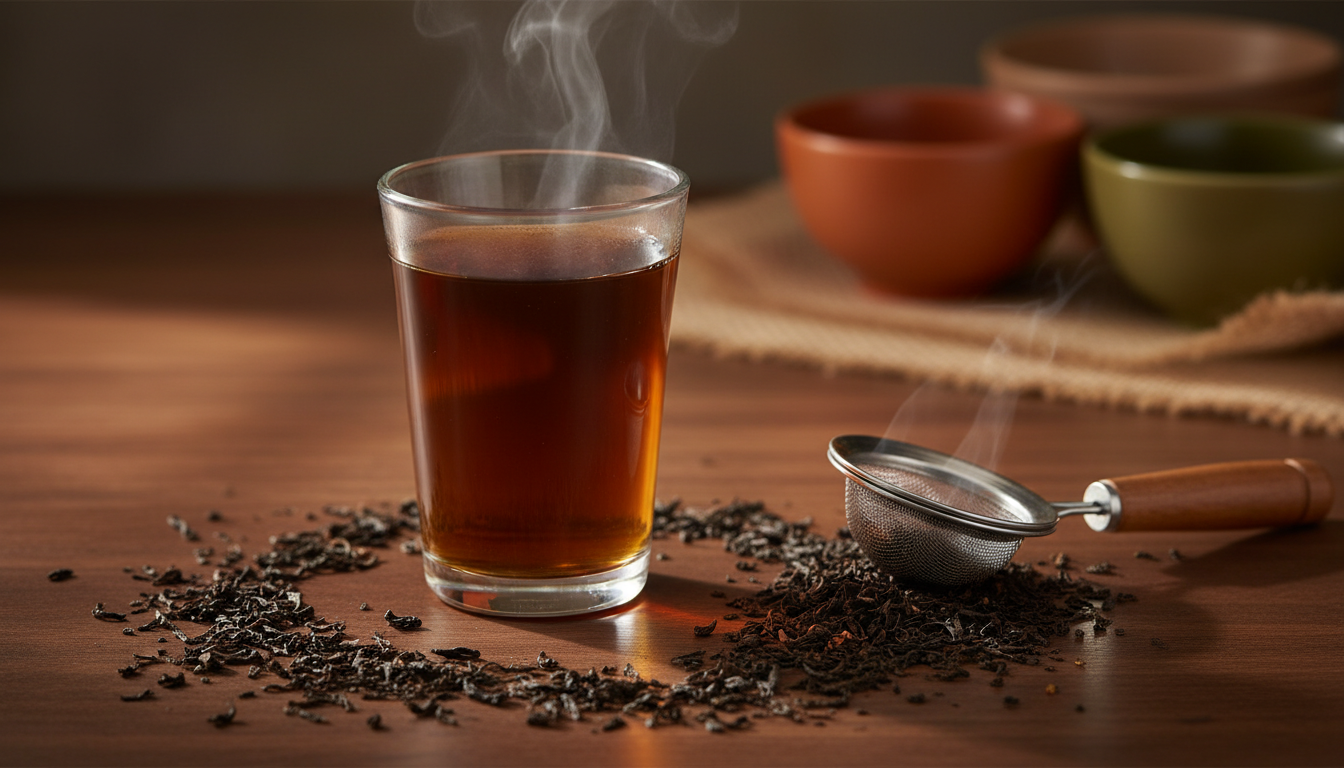
Black tea is fully oxidized Camellia sinensis. Compare Assam, Darjeeling, Keemun, and Ceylon varieties. Learn processing, brewing, and caffeine levels.

How To Grow Black Tea
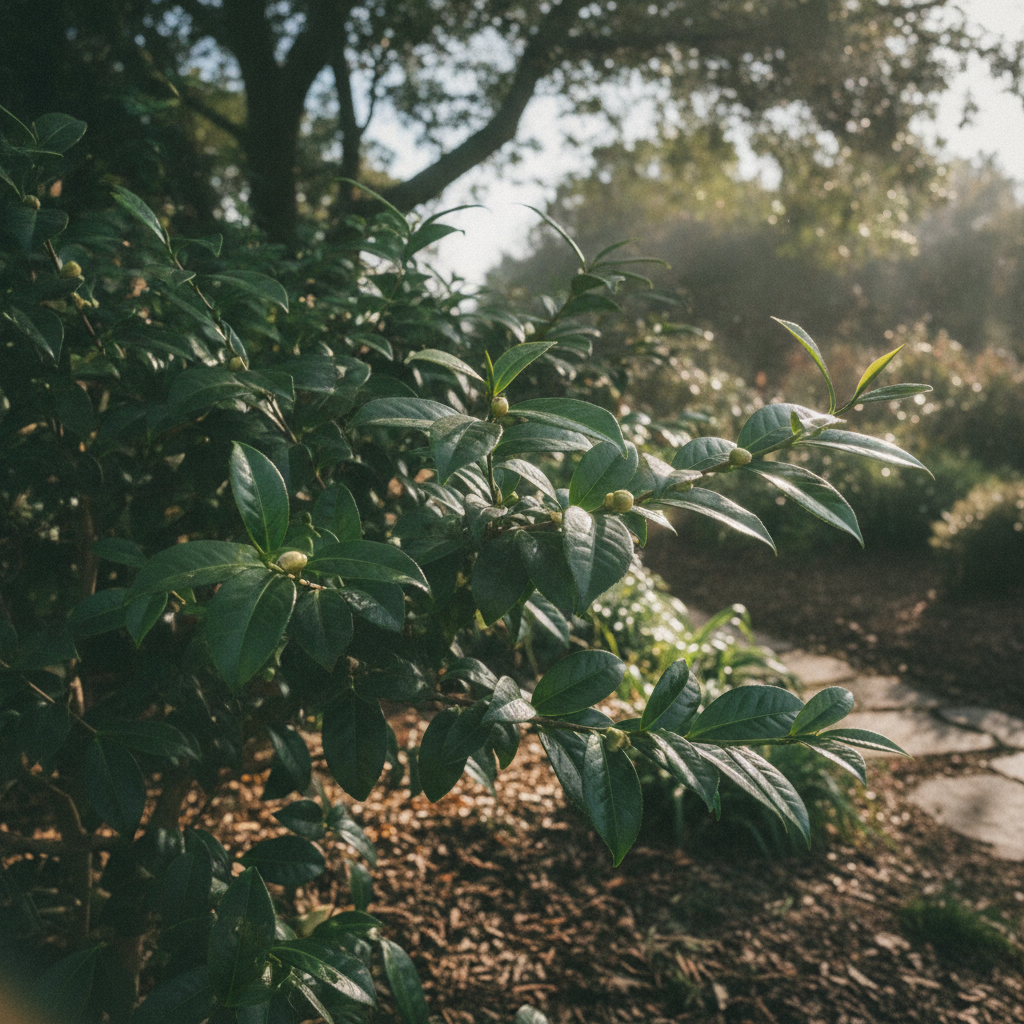
Learn how to grow black tea at home: soil, climate, and the five processing steps from fresh leaf to a finished cup of black tea.

Wisdom is the path to better tea.
Get our free brewing guide: the right water, heat and timing for every tea we sell. You will also hear it first when new harvests arrive.
No spam. Unsubscribe any time.
Check your inbox.
The guide is on its way.