












Oolong or Black Tea: Which Should You Choose?
Oolong and black tea come from the same plant, Camellia sinensis, and the whole decision hinges on one processing variable: oxidation. We import both categories directly from growing regions, and I get asked which one to pick more often than almost any other question at markets. Black tea is fully oxidised, giving it a dark colour and bold, malty character. Oolong stops oxidation partway through, so one style label covers everything from a light, floral tea to something nearly as dark and roasted as black tea.

Neither is better by default. The right pick depends on when you're drinking and what you want from the cup.
The Core Difference: Oxidation
Oxidation is what separates every major tea type, and it's the reason oolong vs black tea taste so different despite starting from identical leaves. Black tea is 90 to 100% oxidised: the leaves are withered, rolled and left to oxidise fully before drying, converting nearly all the catechins into theaflavins and thearubigins that give it colour and body.
Oolong stops that process early, anywhere from about 10% to 85% oxidised depending on style. A lightly oxidised oolong, like a Taiwanese high-mountain tea, sits close to green tea; a heavily oxidised, roasted oolong edges close to black tea territory instead.
That range is what makes oolong the hardest tea category to generalise about: two oolongs can taste more different from each other than a light oolong does from a green tea.
Flavour Comparison
Black tea is consistently malty, robust and often astringent, which is exactly why it holds up to milk, sugar and long steeping without disappearing. Oolong ranges from floral and creamy to roasted and nutty, generally with less astringency, and drinks well on its own.
Most of what's sold globally as black tea is destined for cheap bagged blends, unlike what we import. Black tea accounts for roughly three-quarters of global tea production, but that figure is across all tea, not specialty grade.
My own path into black tea importing started with Darjeeling first flush, prized for fine, delicate aromatics. A second flush, with a deeper, longer-lasting fragrance, is closer to what I reach for as a daily drinker.
That is the real difference between oolong and black tea in the cup: one rewards a slower, more attentive sip, the other a stronger, faster one.
Caffeine Comparison
Caffeine in tea tracks cultivar, leaf age and steep time far more than it tracks colour, so "oolong has less caffeine than black tea" is a rule of thumb, not a law. Black tea typically delivers 40 to 70mg of caffeine per cup, a fairly narrow, consistent range because full oxidation and standard rolling produce comparable extraction across most black teas.
Oolong is wider: roughly 15 to 50mg per cup, with light, minimally oxidised styles sitting well below black tea and darker, more heavily oxidised oolongs creeping closer to it. A tippy, young-leaf black tea steeped hot and long can out-caffeinate a low-caffeine, mature-leaf oolong steeped briefly.
For a rough comparison at home: a 3-minute steep of Assam in near-boiling water sits near the top of the black tea range, while a 1-minute steep of a light oolong sits near the bottom of its own. The leaf and the brew method matter more than the category name on the tin.
Polyphenol Differences
Black tea's full oxidation concentrates theaflavins, the polyphenol group that gives it colour and body. Oolong sits in an interesting middle ground: because oxidation stops early, it retains more EGCG than black tea while still developing some theaflavins along the way, giving it a broader polyphenol range than either pure green or pure black tea.
Neither should be read as a treatment for anything. We treat the chemistry as a reason to enjoy variety across our stock, not a reason to swap in tea for medication or medical advice. Readers managing a specific health condition should talk to their doctor rather than base decisions on tea colour alone.
When Black Tea Is the Right Choice
Reach for black tea when you want a reliable morning cup, milk in the cup, or caffeine that doesn't taper off midway through steeping. Its robustness is an asset here, not a compromise: black tea stands up to boiling water, five-plus minutes of steeping and a splash of milk without turning thin or flat.
This is exactly why it built breakfast-tea and chai traditions. Masala chai, English breakfast blends and anything simmered with milk and spice need that structural strength; a delicate oolong would simply disappear under cardamom and ginger. Sri Lankan black teas earn a place here too: high-grown Ceylon is lighter and more floral than Assam, though still robust enough for milk.
If your day starts with a strong, no-nonsense cup, black tea is the more forgiving choice.
When Oolong Is the Right Choice
Reach for oolong in the afternoon, without milk, when you want to actually taste what's in the cup rather than just wake up. It rewards attention: a good oolong changes across several steeps, opening up aromatics on the second or third infusion that a single steep never reveals.
That's the other practical advantage: whole-leaf oolong typically yields four to eight infusions from the same leaves, while a black tea bag is usually done after one. I like it in the afternoon because the caffeine is lower at that dose.
My go-to re-steep oolong is Tie Guan Yin: I use a gaiwan and pour on instinct, often ten infusions or more until there's nothing left in the leaves. Early on the character is mature and woody with a warming, toasty edge from the roasting, and it mellows over the later steeps into a honeyed, coating aftertaste with a hint of spice.
If you want lower caffeine than black tea without dropping all the way to green tea, oolong earns its reputation as the more exploratory of the two.
Conclusion
Choose black tea for a robust morning cup and milk-friendly body; choose oolong for afternoon drinking and flavour complexity across multiple steeps. Both come from Camellia sinensis: oxidation is the only real dividing line.
We stock both because oolong or black tea comes down to time of day, not which is objectively better.
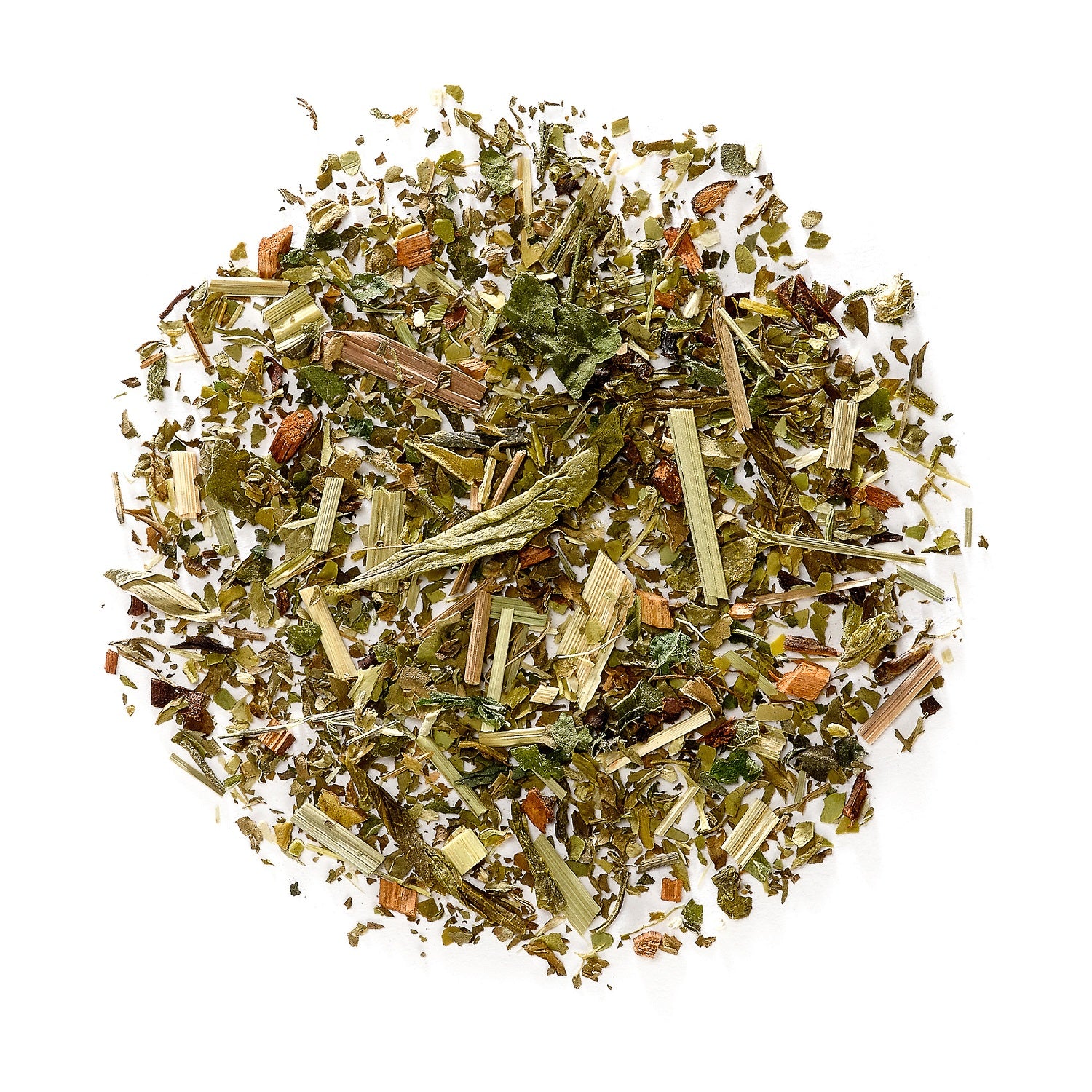
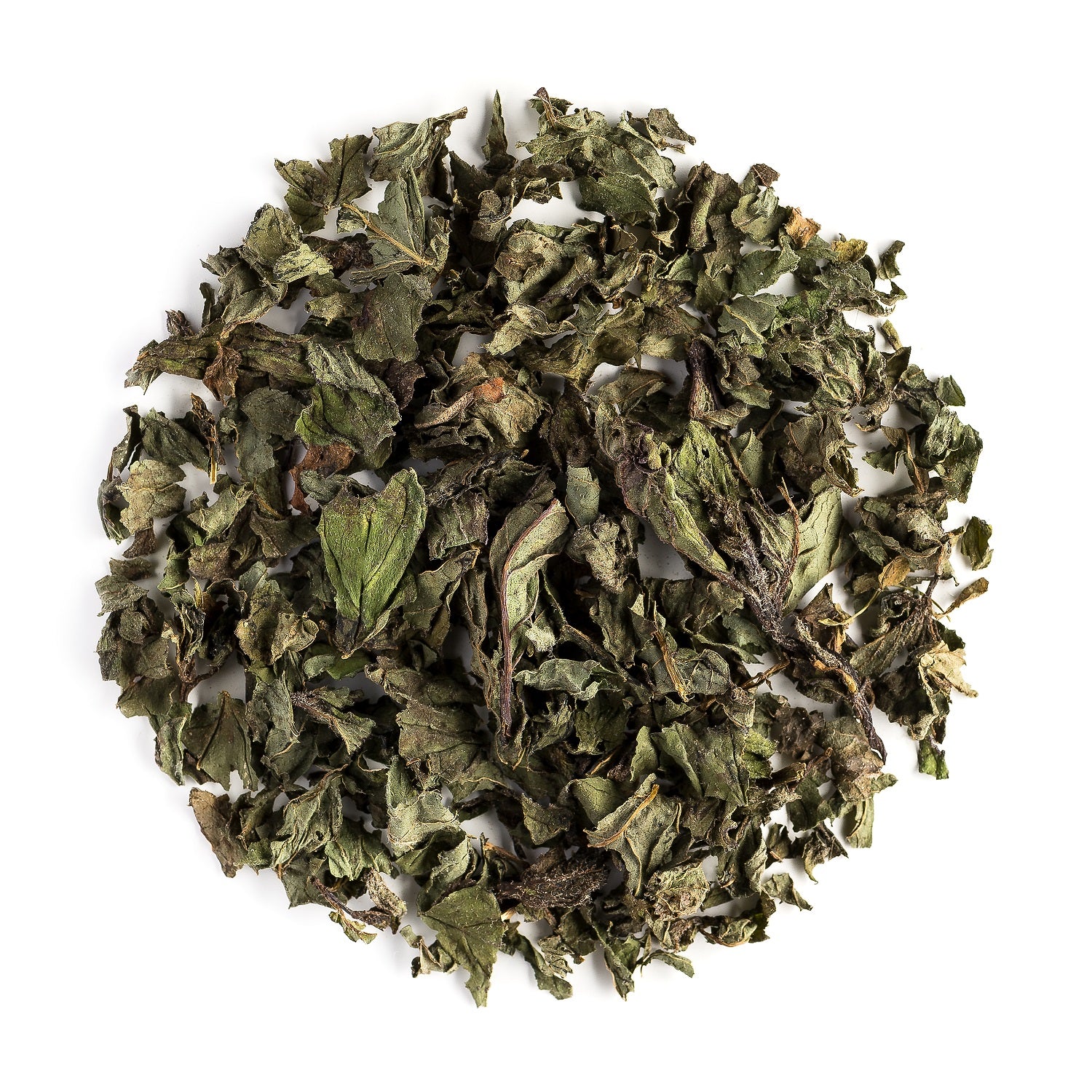
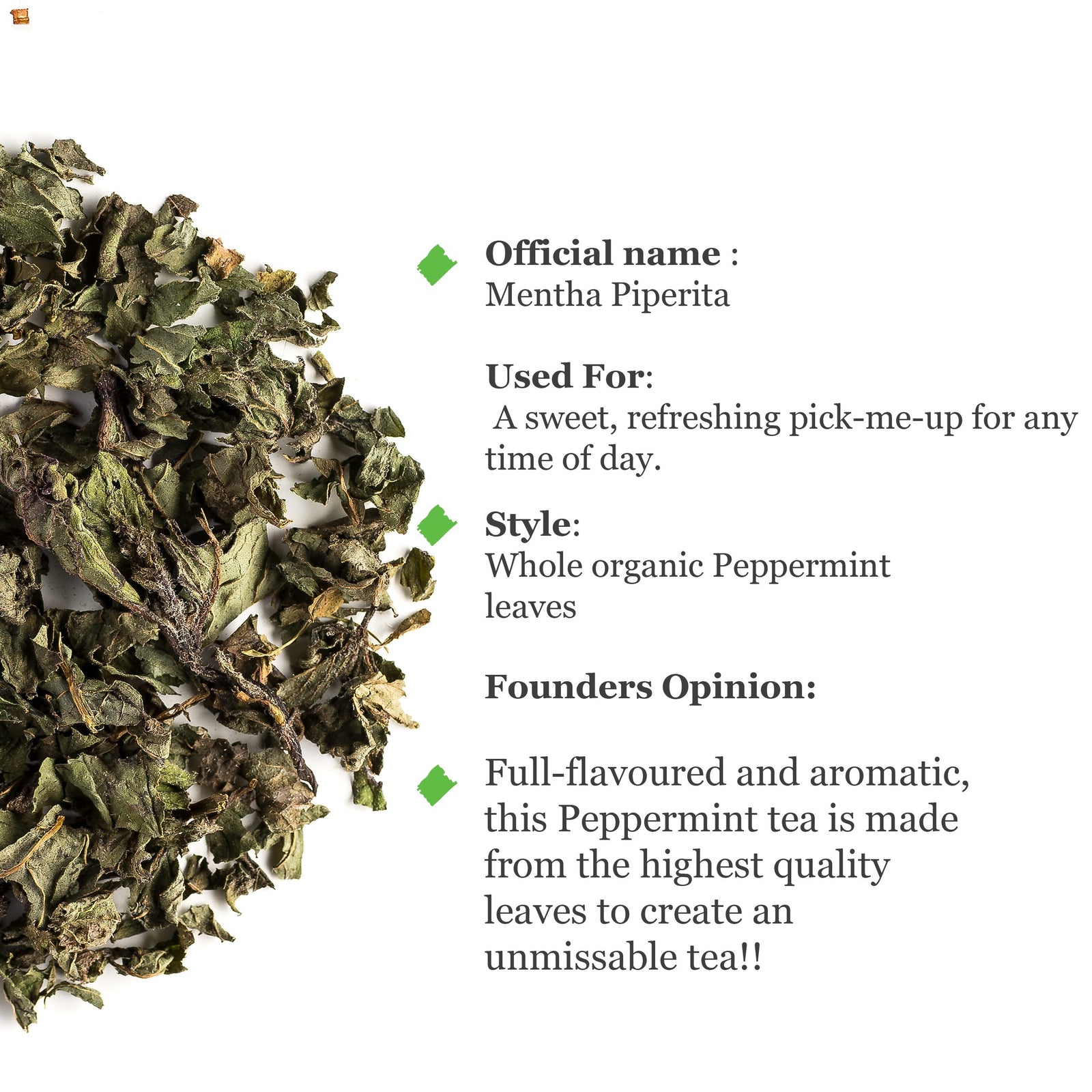
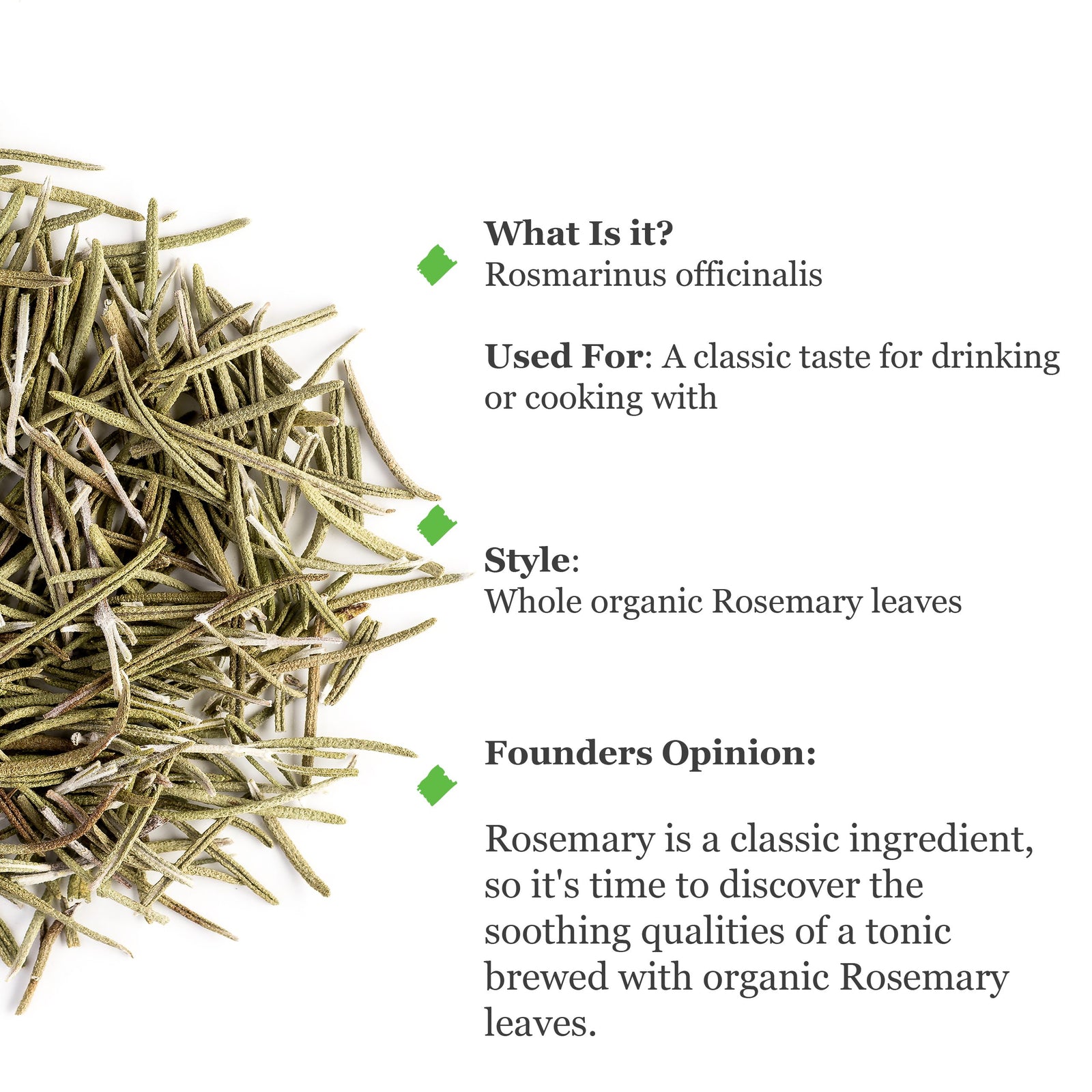
Teas Featured in This Article

Leave a comment
Comments will be approved before showing up.
Also in Valley of Tea Blog | Tea Guides, Origins & Brewing Tips

Rooibos Iced Tea: Caffeine-Free Refresher
Learn to make rooibos iced tea two ways: hot-brewed over ice in 15 minutes, or a smoother overnight cold brew, plus flavour additions and storage tips.

Spice Cabinet Organization: A Practical System That Works
Learn how to organize your spice cabinet with a practical system that keeps every jar findable and fresh. Temperature, layout, and audit tips included.

Maca or Ashwagandha for Your Daily Routine
Choosing between maca or ashwagandha? Learn how each root tastes, when to use them, and the best ways to prepare each in tea or drinks.

Wisdom is the path to better tea.
Get our free brewing guide: the right water, heat and timing for every tea we sell. You will also hear it first when new harvests arrive.
No spam. Unsubscribe any time.
Check your inbox.
The guide is on its way.